

 English
 中文简体
中文简体 русский
 Email us now!
 Author: Admin Date: 2025-12-19
Why Are Global Industries Turning to Ultra-Compact Flow Solutions? Exploring the Rise of the Mini Valve
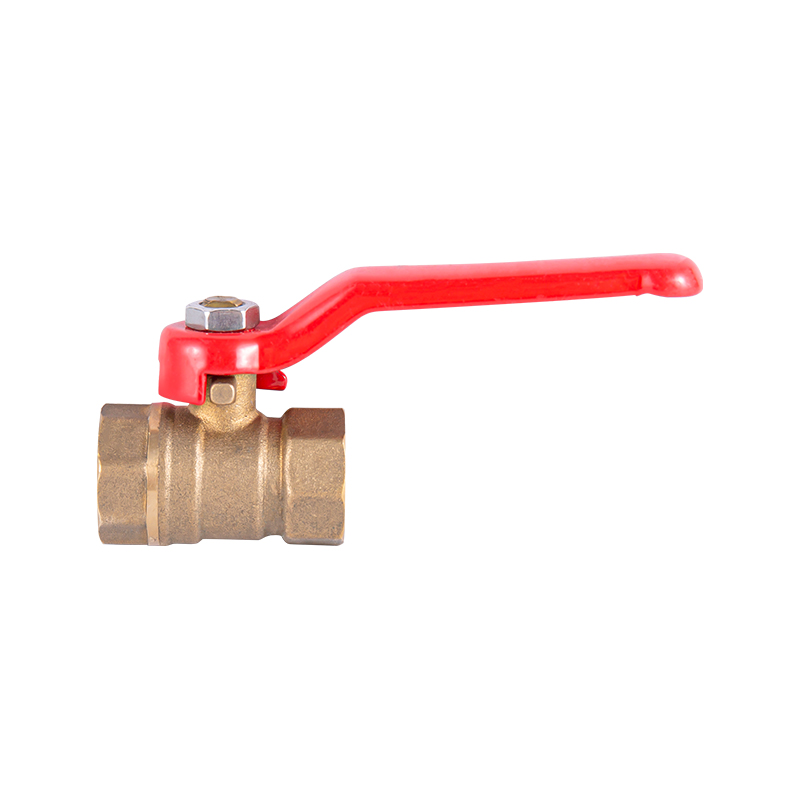
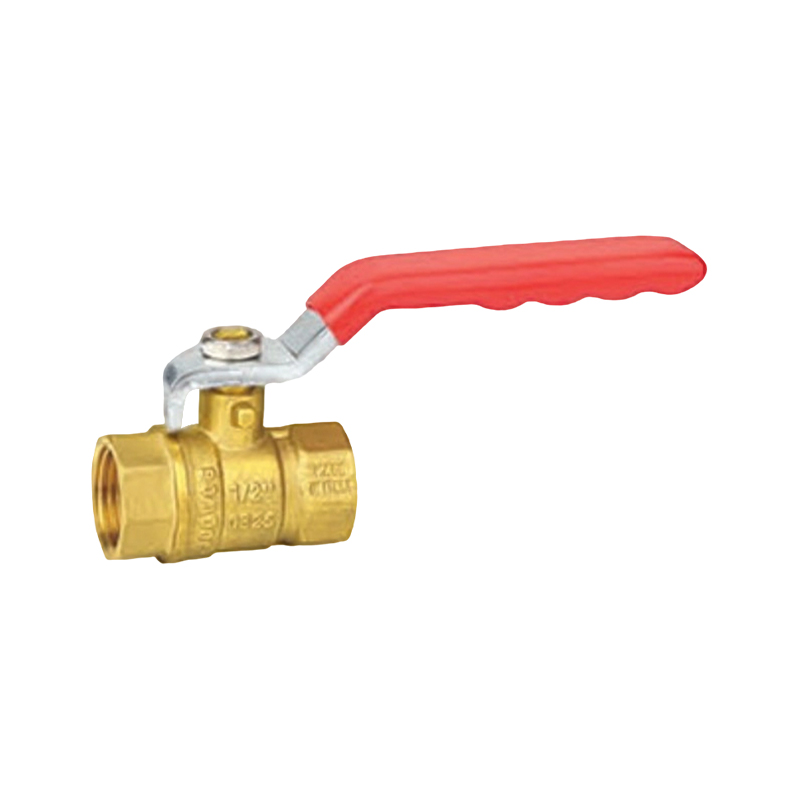
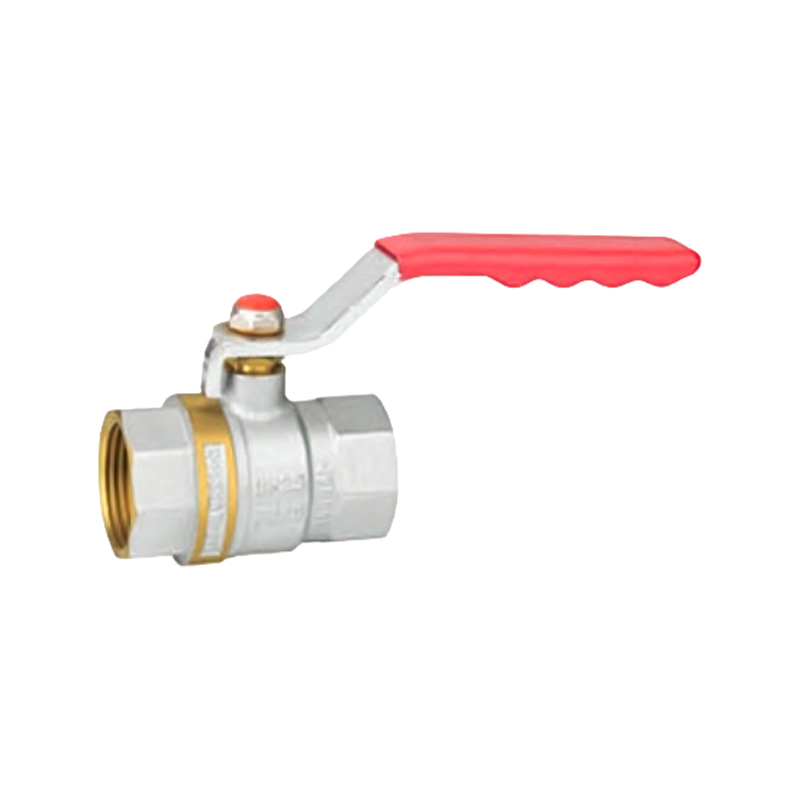
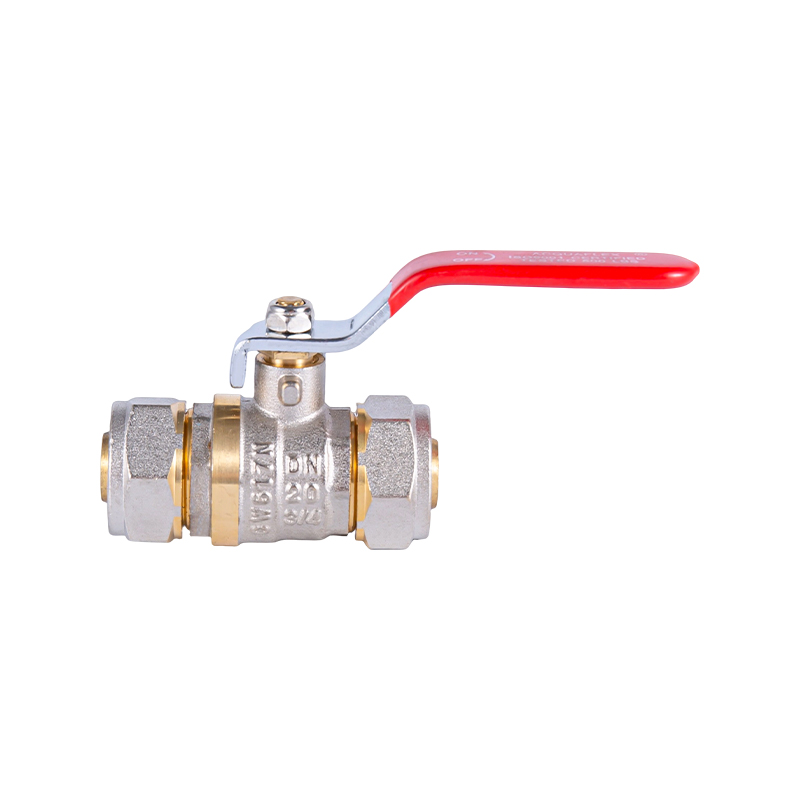
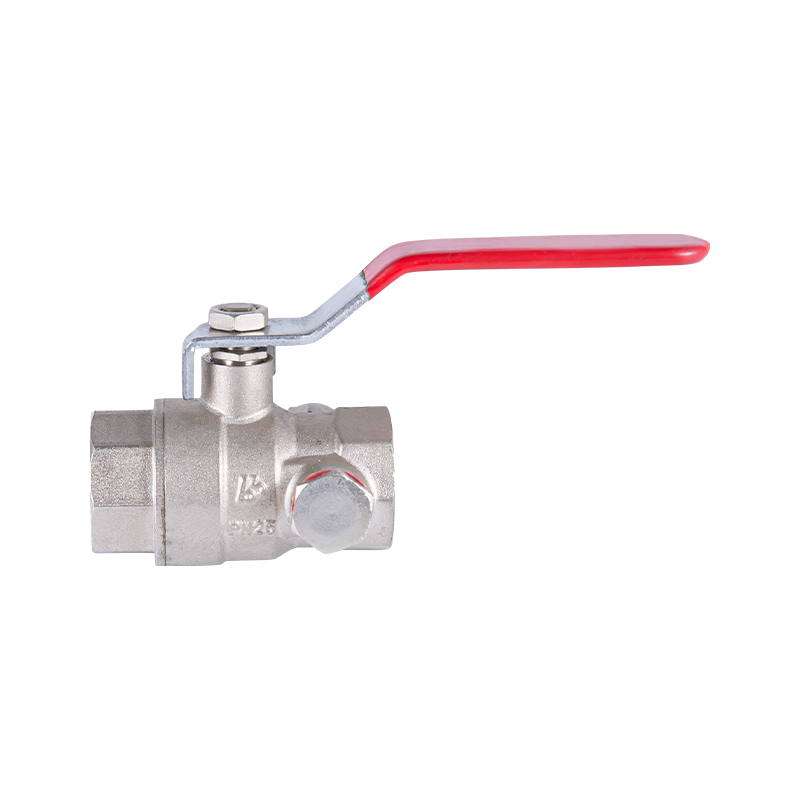
As the global engineering landscape shifts toward smaller, smarter, and more modular equipment designs, the Mini Valve has become a prominent topic among overseas industrial communities. Technical discussions on social platforms increasingly highlight how compact valves are enabling engineers to build lighter systems without compromising flow performance or safety. Meanwhile, traditional components such as the Ball Valve continue providing robust flow management in larger-scale installations, reinforcing the role of both compact and classic technologies in modern industrial development.
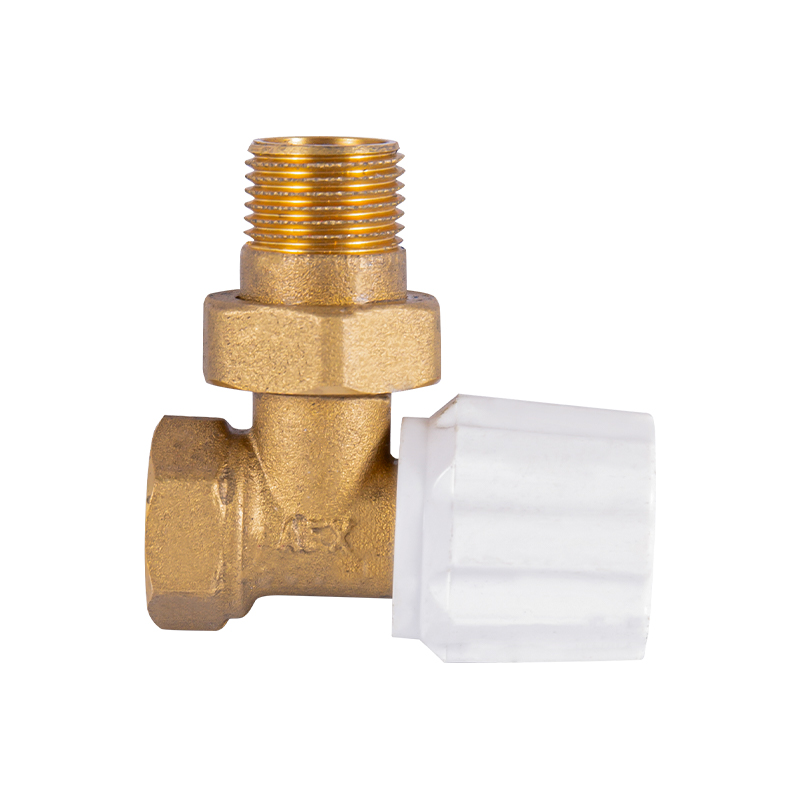
Miniaturization: A Growing Priority Across Multiple Sectors
In industries ranging from manufacturing automation to environmental monitoring, reducing device size has become a practical necessity. Companies seek equipment that fits into tighter spaces while retaining reliability. Mini valves address this need by delivering accurate flow control even within highly compressed layouts. Their compact footprints allow engineers to design equipment with enhanced mobility, portability, and system flexibility—characteristics increasingly valued in overseas markets.
Evolving Consumer Expectations Drive Demand for Lightweight Systems
The global appetite for smaller, smarter technologies has grown noticeably. From handheld tools to personal air-treatment devices, end users expect products to be quiet, lightweight, and easy to maintain. Behind these user-friendly features lies a set of precise internal components, including mini valves that regulate flow within simplified consumer goods. This trend has brought industrial-grade miniature parts into mainstream manufacturing, expanding their application beyond traditional engineering sectors.
Why Flexibility Has Become a Core Advantage
Mini valves offer configuration versatility, allowing manufacturers to select the connection types, body materials, pressure ratings, and actuation methods that ideal suit their systems. This degree of customization is especially important in industries that rely on modular equipment, such as smart agriculture, compact filtration systems, and portable diagnostic tools. The ability to adapt components quickly supports lean production strategies and accelerates innovation cycles.
Precision Flow Behavior Gains Attention Among Engineers
As automated systems continue to depend on precise measurements and movement control, the accuracy of miniature valves has become a significant talking point. Engineers emphasize how small variations in flow performance can influence product quality, analytical results, or process stability. Mini valves provide controlled, predictable output due to enhanced machining methods and improved sealing designs. Their precision directly supports the reliability of micro-fluid systems, sensor-driven modules, and compact metering equipment.
Better Materials Improve Performance Stability
Material selection remains a key factor in valve longevity. Overseas buyers often seek valves made from advanced alloys, corrosion-resistant metals, and improved elastomer formulations. Enhanced materials allow mini valves to perform under challenging operational environments, including exposure to chemicals, vapor, or repeated cycling. The global shift toward premium materials reflects a broader industry trend of improving system durability while reducing long-term maintenance burden.
Compact Valves Support Low-Energy, High-Efficiency Designs
Energy-saving equipment design remains a priority across international industrial markets. Mini valves contribute to this goal through their ability to regulate flow with minimal internal resistance. Their smooth internal pathways support stable operation, which aligns with the energy-conscious mindset seen in modern facility upgrades and eco-friendly product development. Discussions across engineering communities often mention how component-level efficiency plays a meaningful role in broader sustainability efforts.
Digital Innovations Drive Smarter Valve Selection
Software-based simulation tools, remote monitoring systems, and automated quality checks have encouraged more precise evaluation during component selection. Engineers now rely on digital modeling to determine how miniature valves will behave under variable pressure, temperature, and flow conditions. These insights reduce trial-and-error during prototyping and help manufacturers identify the lots of suitable components for their applications. Mini valves, thanks to their consistency, align well with digital integration trends.
Growing Applications in Portable and Wearable Devices
The global rise of portable medical devices, compact environmental sensors, and small-scale chemical testers has opened new opportunities for mini valve usage. Their light weight and ability to control low-volume gases and liquids make them ideal for devices that need to operate safely in dynamic environments. As wearable technologies gain popularity, the demand for compact mechanical components will continue to expand.
The Importance of Reliable Flow Control in Compact Spaces
Small systems often require fast response times and consistent flow performance. Ball Valve provide fast actuation and reliable sealing, which help stabilize sensitive processes. Their role is especially prominent in micro-dispensing tools, compact sterilization systems, and portable gas analyzers—applications where performance accuracy can influence operational outcomes.

-
Feedback
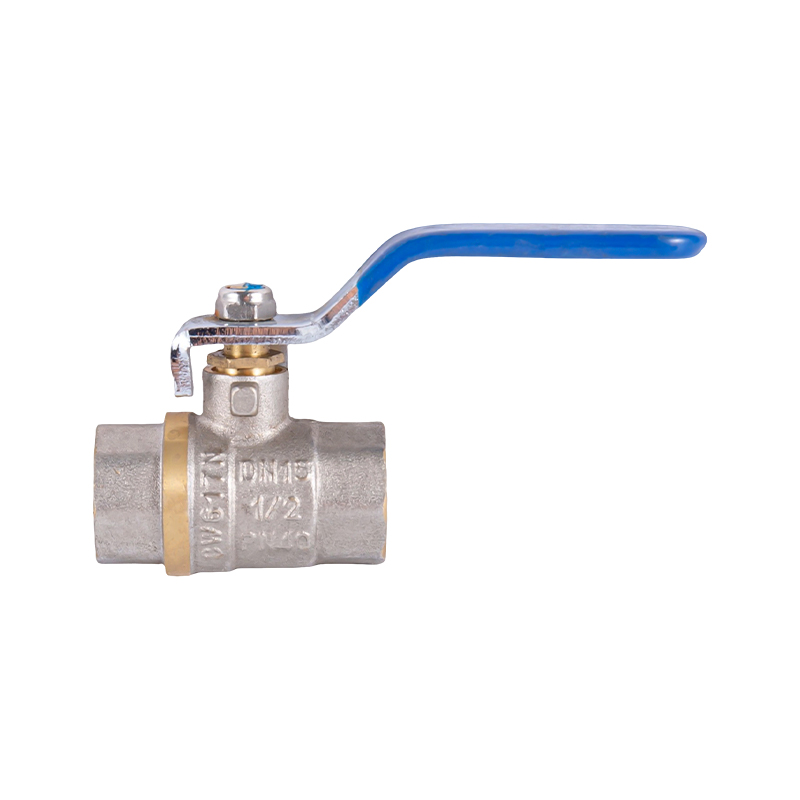
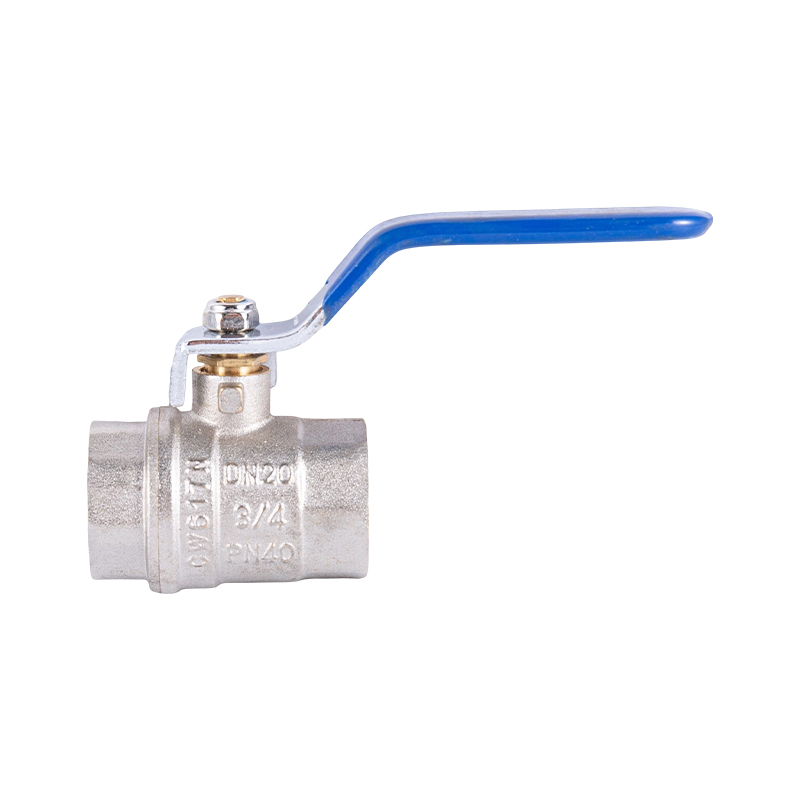
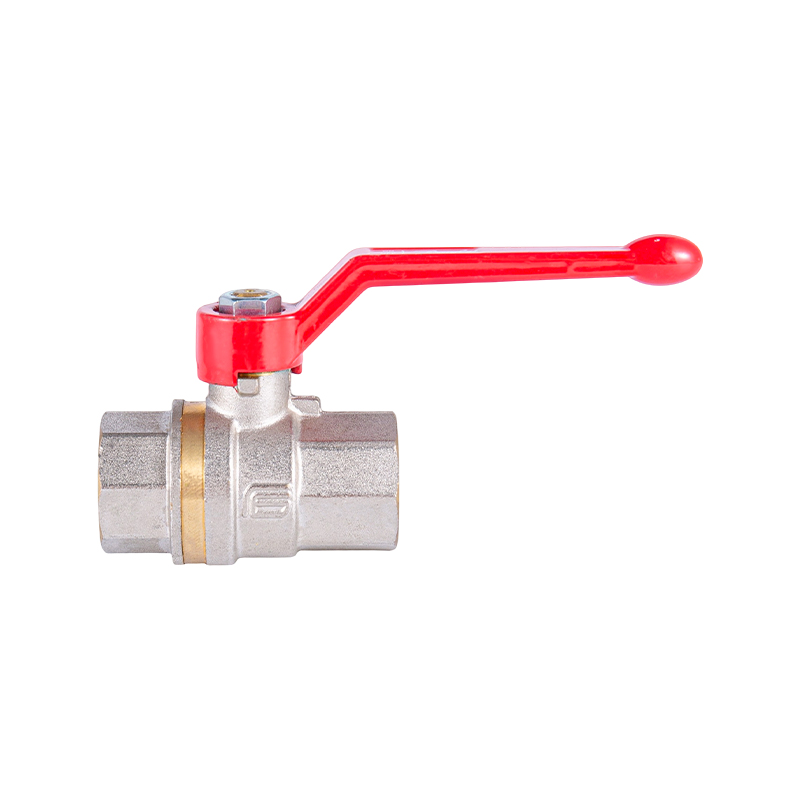
Yuhuan Xianyun Valve Co.,Ltd. is located in China valve capital" Zhejiang Donghai New city asea garden -Yuhuan, is a collection of design, pro-duction, sales of valves, plumbing sanitary waremodern brand enterprises

Contact Omformation
- Tel: 0086-13506861910
- E-mail: [email protected]
- Add: Qinggang Shuangtang Industrial Zone, Yuhuan City, Zhejiang Province, China.
Copyright © 2024 Yuhuan Xianyun Valve Co.,Ltd. All Rights Reserved.

Sale Plumbing Valves