

 English
 中文简体
中文简体 русский
 Email us now!
 Author: Admin Date: 2025-12-12
Is the Future of Precision Engineering Defined by Smaller Flow Control Components? A Closer Look at the Mini Valve
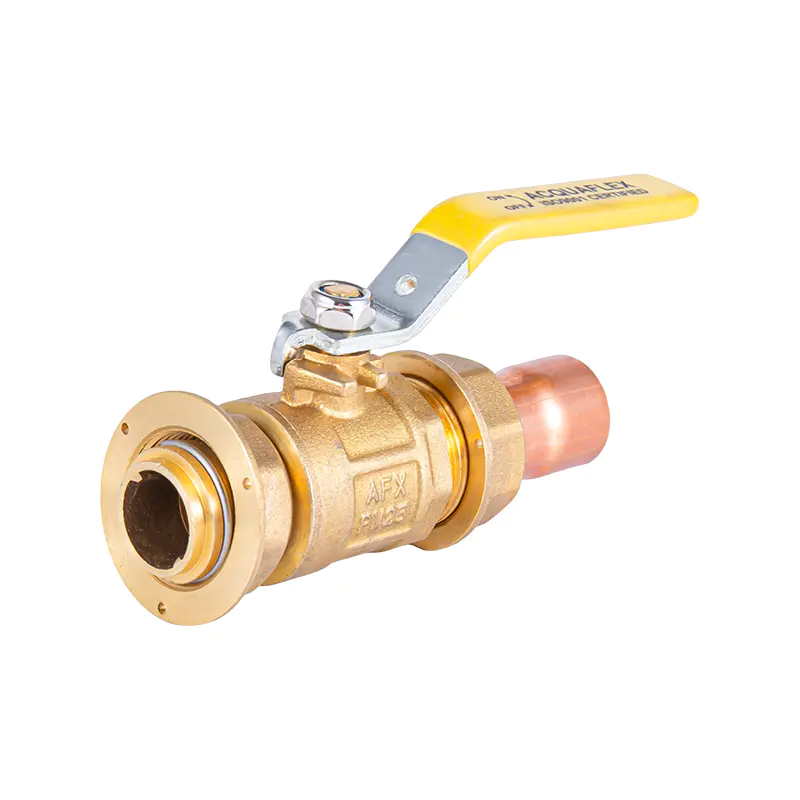
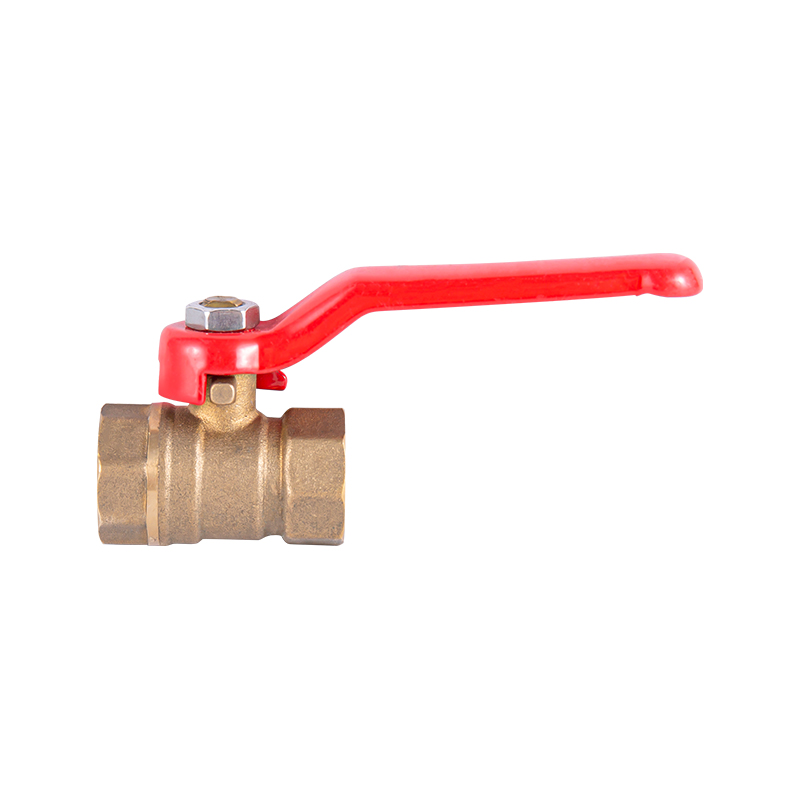
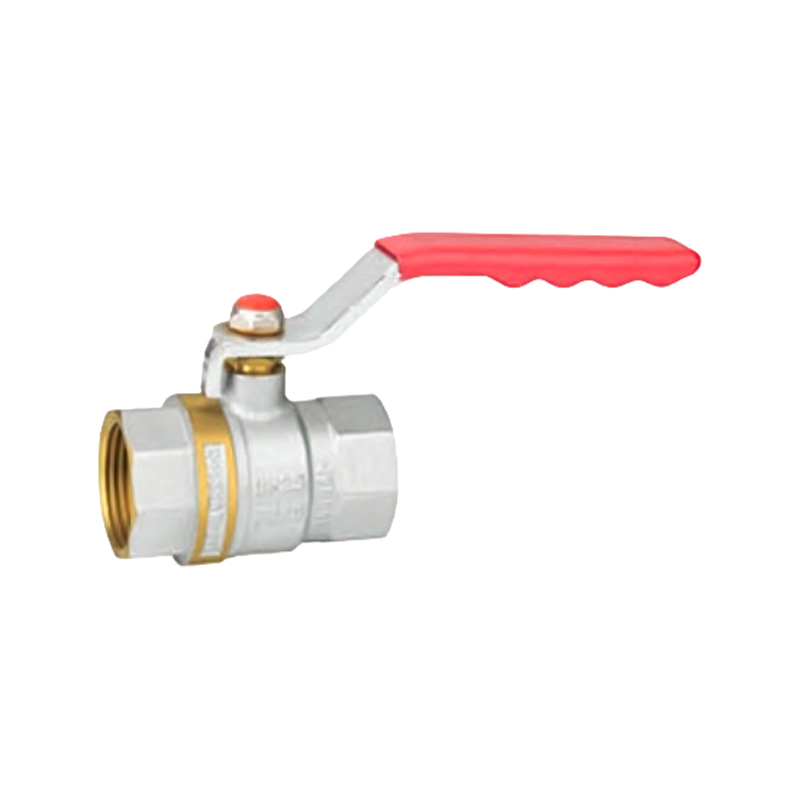
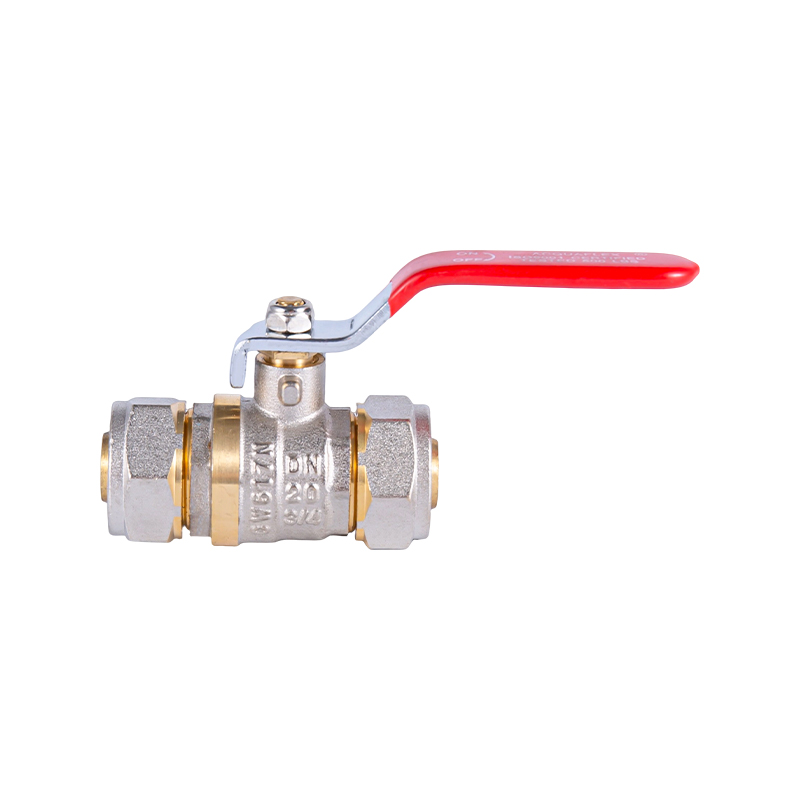
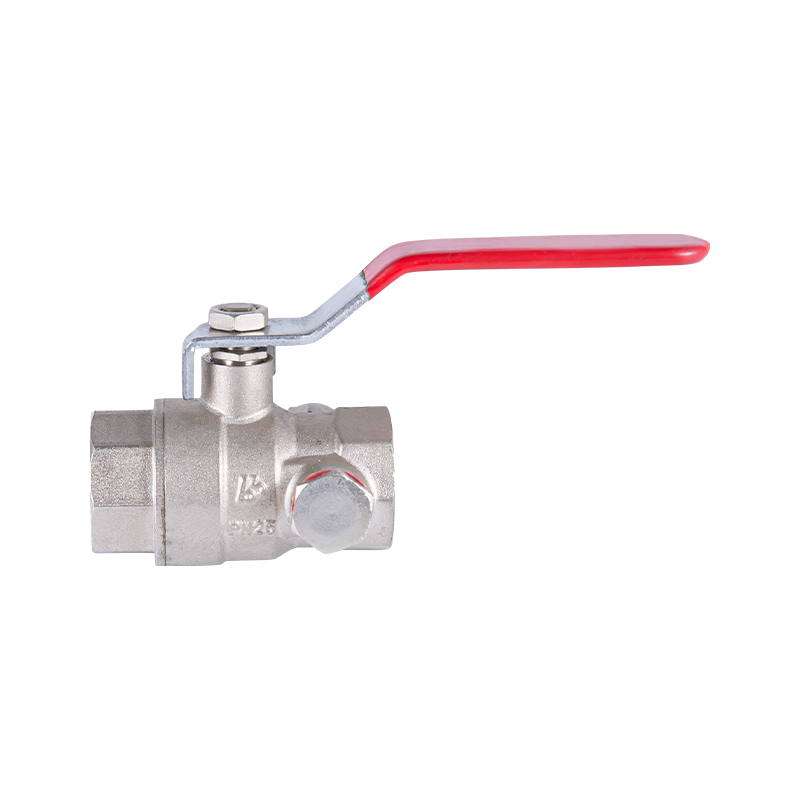
Across global industrial markets, the conversation around compact engineering has intensified, drawing attention to components that deliver high functionality within extremely limited space. Among these rising technologies, the Mini Valve has become a standout topic, frequently discussed in automation forums, laboratory innovation channels, and micro-machinery communities. As more industries adopt compact equipment designs, there is renewed emphasis on blending size reduction with dependable fluid control. In parallel, long-established solutions like the Ball Valve continue to support applications requiring robust, unrestricted flow.
Why Are Compact Devices Becoming a Standard Expectation?
Overseas technical audiences increasingly focus on devices that reduce operational footprints. From portable diagnostic equipment to integrated micro-systems, engineers prioritize building tools that are lighter, slimmer, and easier to deploy in diverse environments. Miniature valves play an essential role in these systems by enabling flow control without imposing structural constraints. This demand is seen across various sectors, where compact devices are favored for flexibility, portability, and design efficiency.
Growing Integration With Intelligent Equipment
The rapid expansion of IoT platforms and smart automation has intensified the need for components capable of precise digital control. Mini valves are now integrated into smart modules that regulate gas and liquid flow in response to real-time sensor feedback. Discussions across professional engineering channels highlight how small automated components help stabilize processes, increase productivity, and enable finer adjustments within continuous and batch operations. As more systems adopt electronic supervision, compact valves merge seamlessly with intelligent control frameworks.
Rising Interest From Medical and Laboratory Sectors
Medical device manufacturers and laboratory equipment developers are among the strongest drivers of mini valve adoption. These industries require smooth, repeatable, and low-volume flow management. Mini valves support controlled dosing, sample delivery, and gas regulation for analytical instruments, ensuring accuracy and consistency. Global social media posts and technical webinars frequently showcase how compact valves contribute to innovations such as handheld analyzers, respiratory equipment, and micro-fluid instruments designed for high precision.
Material Advancements Enable Better Reliability
Miniaturization alone is not enough—industries demand that compact valves maintain structural strength under challenging conditions. This has driven manufacturers to adopt higher-quality materials and enhanced sealing structures. Corrosion-resistant alloys, improved elastomers, and refined machining techniques help mini valves resist wear and avoid leakage even under repetitive cycling. Many industrial reviews stress that durability remains a priority, and this expectation is shaping the evolution of valve production technology worldwide.
How Are Compact Flow Solutions Supporting Sustainability Goals?
Sustainability remains a highlight across global engineering conversations, and compact flow solutions are playing a role in environmental progress. Mini valves support reduced fluid waste due to their precise metering capabilities, helping industries optimize their consumption of gas, chemicals, and water. Their smaller design also aligns with efforts to reduce material usage during manufacturing. Discussions within energy-focused online communities frequently mention how miniature components encourage cleaner, more responsible operational practices.
Flexible Configuration Encourages Wider Adoption
One trend gaining momentum is the ability to configure mini valves according to application needs. Engineers can select from various actuation styles, port layouts, pressure ranges, and connection formats. This flexibility makes mini valves suitable for a broad range of industries, including petrochemical sampling systems, smart home appliances, and environmental monitoring tools. Customization ensures that the valve functions smoothly within its designated environment, increasing reliability and user confidence.
Why Mini Valve and Ball Valve Remain Valuable in a Changing Landscape
The global shift toward compact innovation has transformed expectations for fluid control components, making precision, adaptability, and efficiency more important than ever. The Mini Valve delivers solutions that align with these evolving demands, supporting industries that prioritize small-scale engineering, accuracy, and performance. Meanwhile, the enduring value of the Ball Valve remains clear, offering sturdy, straightforward flow control that continues to serve a wide range of applications across modern industrial environments.

-
Feedback
Yuhuan Xianyun Valve Co.,Ltd. is located in China valve capital" Zhejiang Donghai New city asea garden -Yuhuan, is a collection of design, pro-duction, sales of valves, plumbing sanitary waremodern brand enterprises

Contact Omformation
- Tel: 0086-13506861910
- E-mail: [email protected]
- Add: Qinggang Shuangtang Industrial Zone, Yuhuan City, Zhejiang Province, China.
Copyright © 2024 Yuhuan Xianyun Valve Co.,Ltd. All Rights Reserved.

Sale Plumbing Valves