

 English
 中文简体
中文简体 русский
 Email us now!
 Author: Admin Date: 2025-12-05
Why Are Compact Flow Control Solutions Gaining Global Attention? Exploring the Rise of Mini Valve!
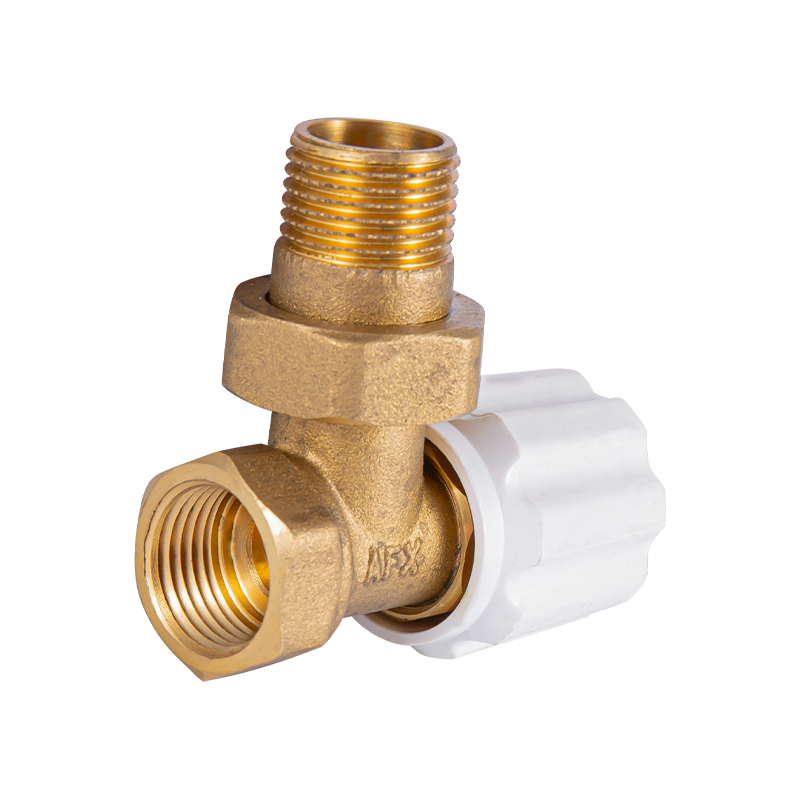
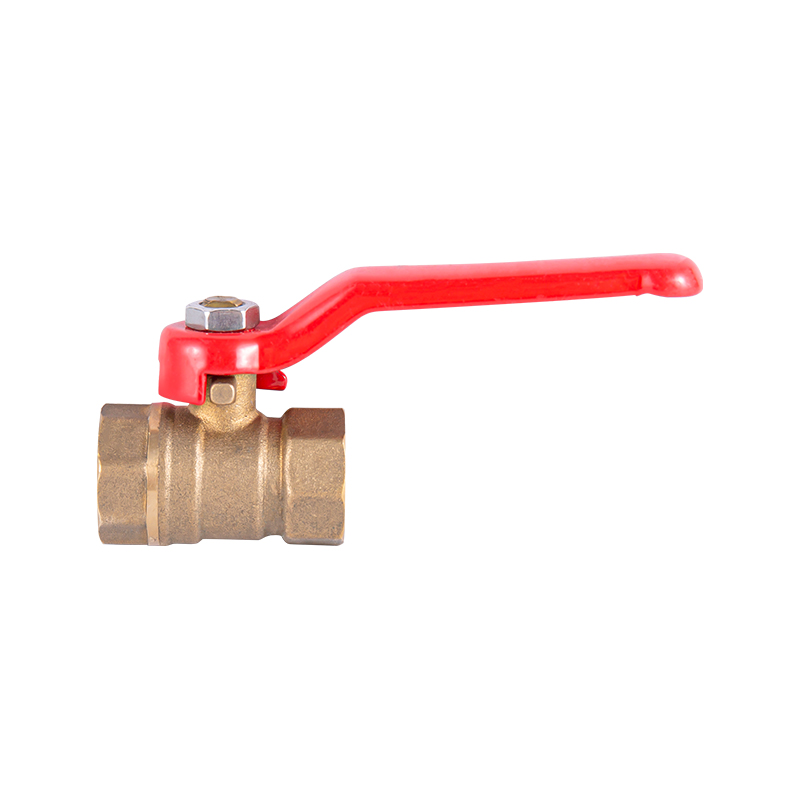
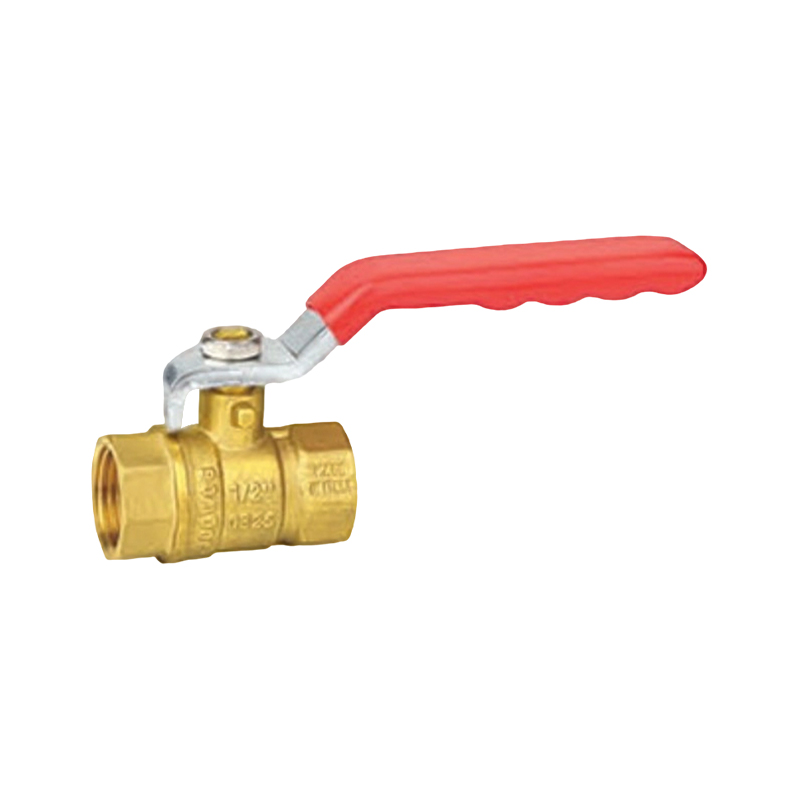
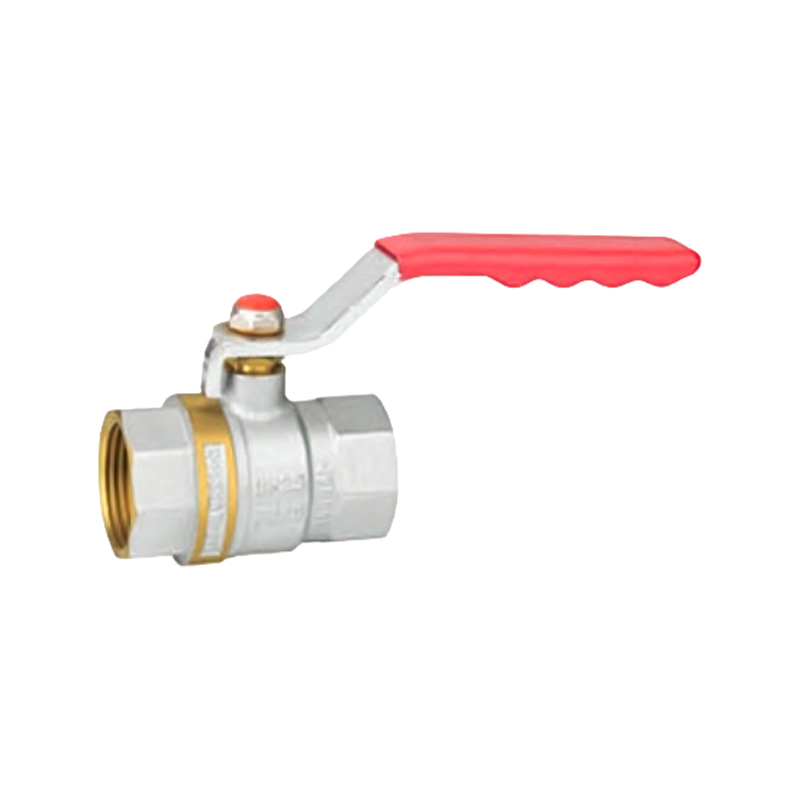
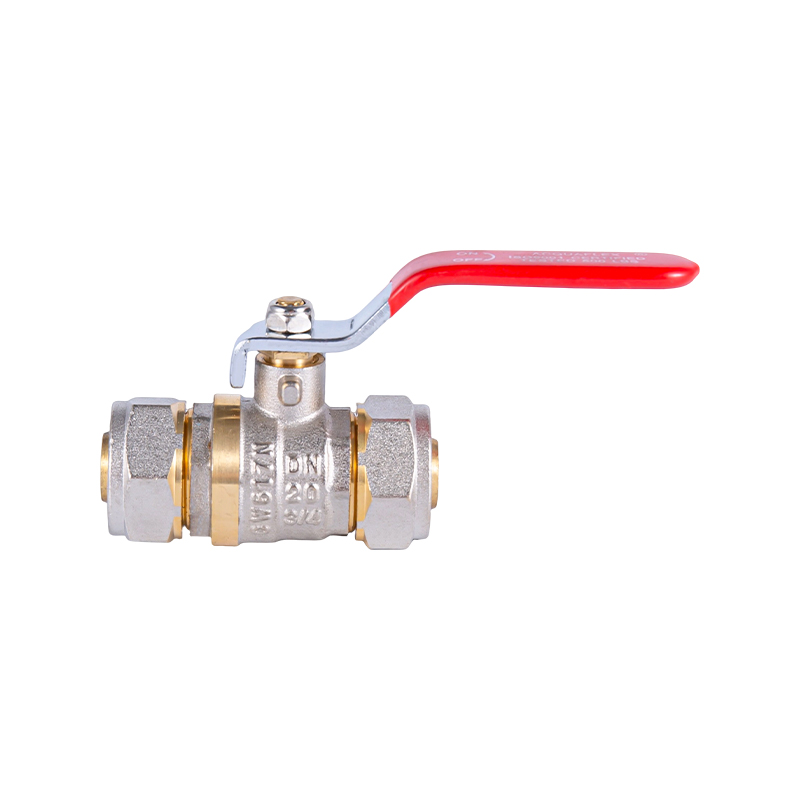
As industries worldwide push toward smaller, smarter, and more efficient systems, the Mini Valve has rapidly become a trending topic across engineering communities, technical forums, and global social media platforms. Compact components that deliver stable flow control are now essential across automation, medical devices, instrumentation, and emerging environmental technologies. At the same time, traditional fluid management components such as the Ball Valve continue to hold strong relevance as industries balance reliability with miniaturization.
How Are Compact Systems Changing Equipment Design?
Across global markets, equipment designers are looking for ways to reduce machine size without sacrificing performance. Miniaturization has become a key innovation direction, driven by demands from wearable medical devices, portable testing instruments, and lightweight industrial tools. Mini valves fit perfectly into this trend, providing efficient flow regulation within limited space. Their small footprint allows engineers to achieve tighter layouts, simpler piping routes, and improved structural flexibility—benefits that are often highlighted in engineering blogs and product teardown videos.
Why Do Businesses Care About Installation Flexibility?
Industries are putting increasing emphasis on easy installation and modular design. Mini valves are being adopted in scenarios where traditional valves might be too large or heavy to integrate. Their compact size significantly reduces installation complexity, which is particularly important for instrument manufacturers, mobile device producers, and lab equipment developers. Many industrial communities online discuss how equipment performance is no longer the only factor—faster assembly, easier maintenance, and compatibility with compact platforms are now equally valuable.
Precision Control: A New Priority Across Industries
As global sectors rely more on automated systems, precision flow control has become an essential requirement. Mini valves provide accurate on–off and metering capabilities suitable for processes involving gas sampling, laboratory analysis, and micro-scale chemical control. Social media discussions surrounding smart manufacturing and IoT-driven systems increasingly highlight how miniature components are contributing to higher precision and stability. These valves help maintain consistent results even in operations involving sensitive media or low-volume flow.
Durability Matters Even in Small Components
Although mini valves are small, users expect robust construction and dependable service life. Manufacturers design them using materials and sealing structures that withstand temperature fluctuations, repeated cycling, and various types of media. Industry reviews often emphasize durability, noting that a component’s size should not compromise its resilience. This expectation has encouraged companies to enhance material selection, internal machining, and surface finishing to ensure long-term reliability.
How Are Environmental and Energy Trends Influencing Valve Innovation?
Sustainability discussions across the global industrial community are reshaping expectations for modern components. Mini valves are increasingly incorporated into water-saving devices, environmental monitoring systems, and low-consumption automation platforms. Their ability to support efficient fluid management in compact systems aligns with the global shift toward responsible resource use. Online engineering discussions often mention that compact components help reduce energy usage and fluid waste, contributing to smarter and cleaner industrial operations.
Customization Becomes a Key Competitive Advantage
Manufacturers now offer customizable mini valve designs to support different flow rates, connection types, pressure requirements, and installation orientations. This adaptability is valued by designers working on unique equipment layouts or specialized testing devices. Customization also plays a significant role in safety and performance, ensuring valves integrate perfectly into the target system. The trend reflects a broader industry movement toward tailored engineering solutions rather than one-size-fits-all products.
Why Mini Valve and Ball Valve Remain Essential Across Industries
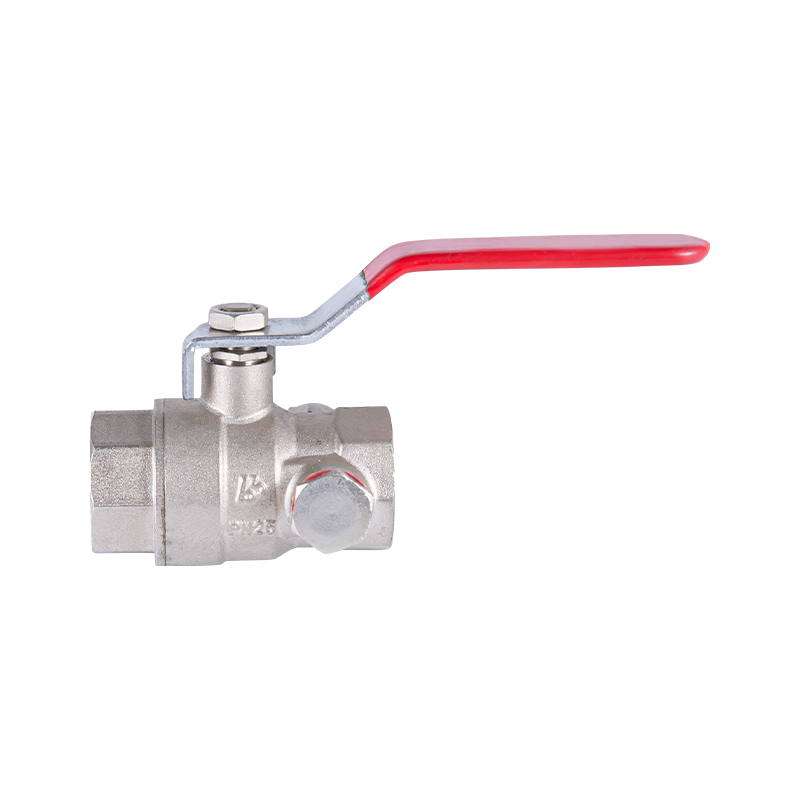
The shift toward compact, multifunctional, and precision-driven equipment signals a new era for fluid control solutions. The Mini Valve offers flexibility and performance that meet the needs of modern engineering, making it an essential component in various advanced industries. Meanwhile, the trusted reliability of the Ball Valve continues to support high-demand applications worldwide, ensuring stable, safe, and efficient flow control for systems of all sizes.

-
Feedback
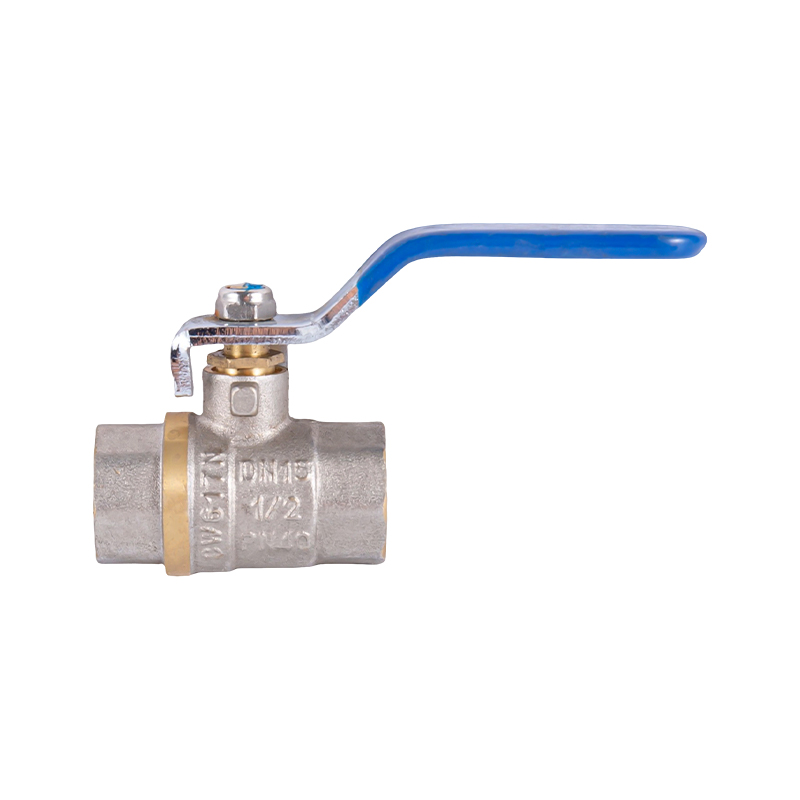
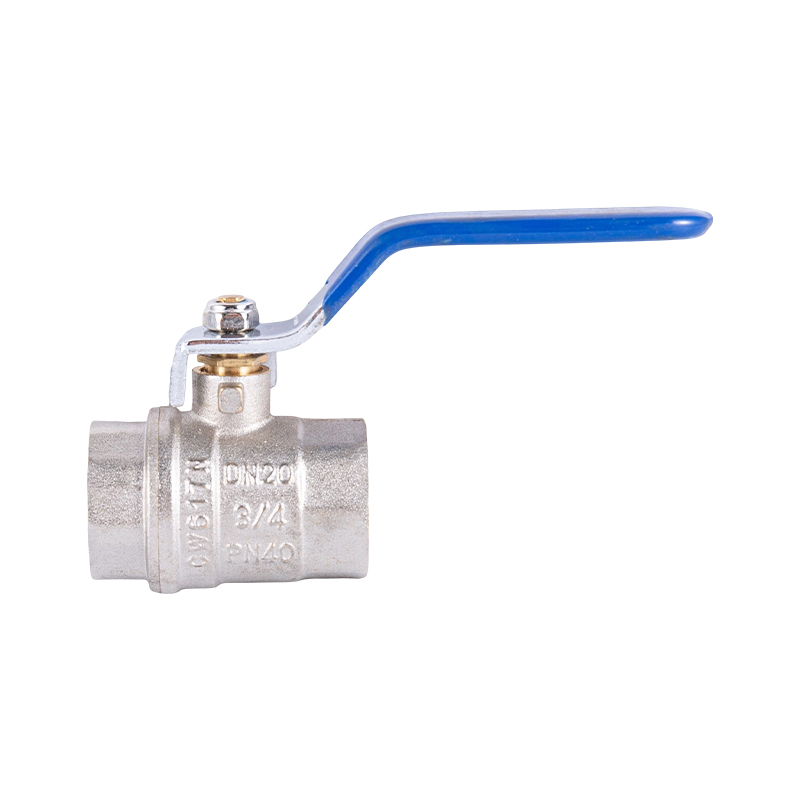
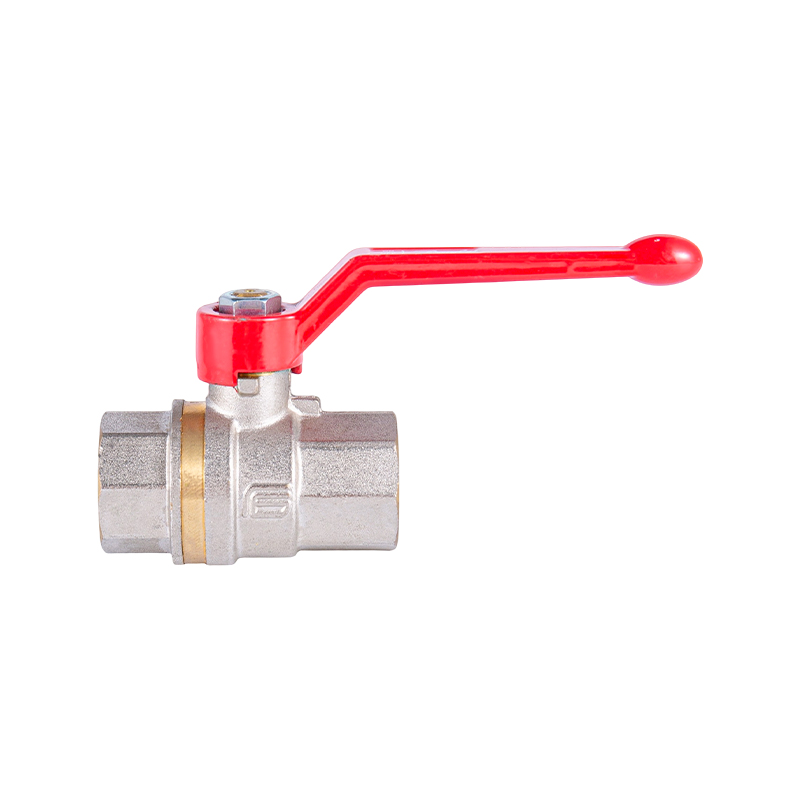
Yuhuan Xianyun Valve Co.,Ltd. is located in China valve capital" Zhejiang Donghai New city asea garden -Yuhuan, is a collection of design, pro-duction, sales of valves, plumbing sanitary waremodern brand enterprises

Contact Omformation
- Tel: 0086-13506861910
- E-mail: [email protected]
- Add: Qinggang Shuangtang Industrial Zone, Yuhuan City, Zhejiang Province, China.
Copyright © 2024 Yuhuan Xianyun Valve Co.,Ltd. All Rights Reserved.

Sale Plumbing Valves