

 English
 中文简体
中文简体 русский
 Email us now!
 Author: Admin Date: 2025-12-25
Why Are Compact Fluid Control Components Rising in Global Demand? The Growing Value of Mini Valve Technology!
As industries across the world accelerate their shift toward compact, energy-efficient, and precision-engineered components, two products are increasingly entering the spotlight: the Mini Valve and the Ball Valve. Global manufacturers, energy utilities, and engineering teams are all searching for smaller yet reliable flow-control solutions that support modernized systems. This surge of attention has created new conversations about how streamlined valve designs can reduce system complexity, support sustainability goals, and improve long-term operational stability.
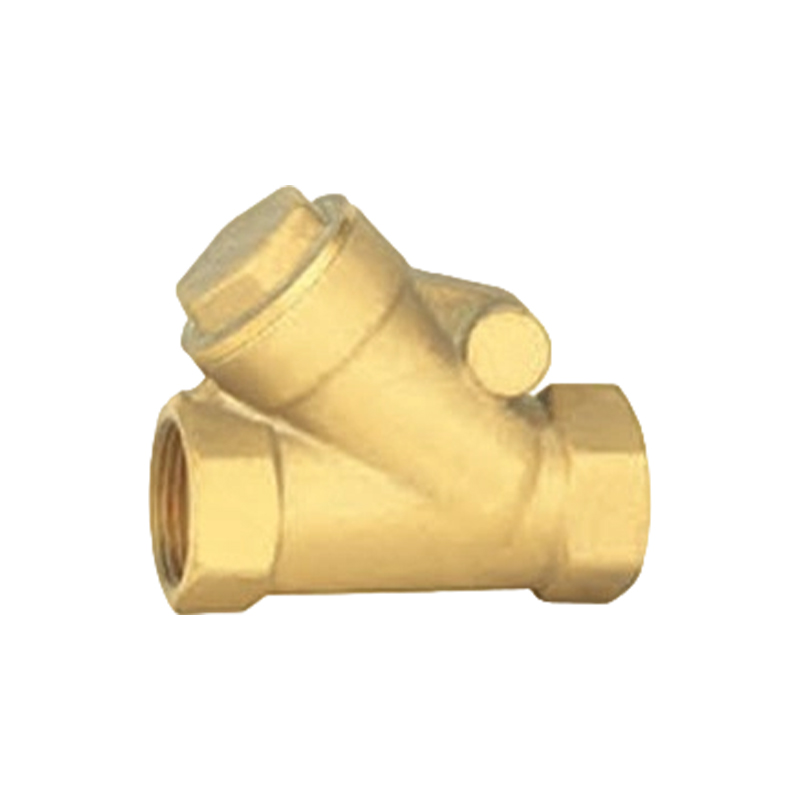
Compact Engineering: Why Smaller Components Are Becoming the New Standard
Across overseas markets, discussions around industrial optimization often highlight one major theme—doing more with less. Companies today must navigate tightening installation spaces, more integrated equipment layouts, and growing expectations for easy maintenance. Compact valve components play a central role in addressing these needs.
Miniature flow-control devices align perfectly with these industry shifts. Their reduced footprint helps system designers integrate complex fluid pathways into smaller enclosures, making them good for compact machines, mobile devices, analytical instruments, and other precision-based equipment. Social platforms, especially those focusing on engineering innovations, frequently showcase how small components are reshaping product design. As industries continue prioritizing energy savings and smaller mechanical structures, these valves position themselves as essential upgrades rather than optional choices.
Durability and Reliability: A New Level of Attention for Global Buyers
One of the strongest overseas trends is a rising concern for long-term stability. Buyers want components that withstand temperature variations, fluctuating pressures, and continuous operational cycles without performance degradation. This is where modern fluid control devices demonstrate their relevance.
High-quality miniature valves, along with their larger industrial counterparts, are designed with advanced sealing structures, corrosion-resistant materials, and durable internal mechanisms. These qualities make them suitable not only for laboratory and precision engineering applications but also for more demanding fields like water management, gas distribution, and industrial automation. International forums frequently discuss how such components reduce maintenance interruptions and contribute to stable system operations—two priorities shared by companies worldwide.
Sustainability-Focused Improvements Driving Product Adoption
Environmental responsibility continues to influence global purchasing decisions. Companies are now more careful about equipment that may advance to wasteful leakage, unnecessary energy consumption, or operational inefficiencies. As a result, efficient flow-control components that support sustainable engineering have gained substantial interest.
Miniature and spherical valve designs help limit fluid losses by ensuring smooth transitions and consistent sealing. Their ability to maintain stable internal flow paths reduces unnecessary pressure fluctuations, lowering energy demands for connected systems. Furthermore, lightweight components generally require fewer raw materials during manufacturing and offer easier recyclability. These advantages align with broader sustainability commitments across Europe, the U.S., Southeast Asia, and the Middle East—regions where environmentally conscious procurement policies continue to expand.
Rising Integration With Smart Systems and Digital Monitoring
As smart factories, IoT-enabled machines, and automated equipment gain popularity, industries are searching for components that integrate easily with sensors, controllers, and digital management platforms. This is another area where modern fluid-control devices are gaining global visibility.
Miniature valves, in particular, allow engineers to pair compact actuators, micro-sensors, and automated triggers within tight system layouts. This makes them ideal for intelligent dispensing systems, smart HVAC modules, compact robotics, and digital laboratory instruments. Meanwhile, spherical valve designs maintain reliable flow control when integrated with automated control equipment. Overseas social channels frequently highlight “smart system retrofits,” where traditional mechanical parts are upgraded with sensor-compatible versions—making these components part of a broader digital evolution.
Industry Diversity: Why More Sectors Are Turning Toward Compact Valves
What makes the current industry momentum especially interesting is the wide range of sectors adopting smaller valve solutions. Beyond traditional industrial applications, sectors such as environmental testing, medical device manufacturing, precision agriculture, clean-energy development, and micro-machinery are all exploring new component configurations.
Each of these sectors values different performance factors—clean operation, chemical compatibility, vibration resistance, or ease of installation—yet compact flow-control components fit all these criteria. This multi-industry relevance helps explain the rapid rise in global demand and the increasing attention these products receive across social media platforms, trade exhibitions, and online technical forums.
A Market Moving Forward With Compact, Efficient Flow-Control Solutions
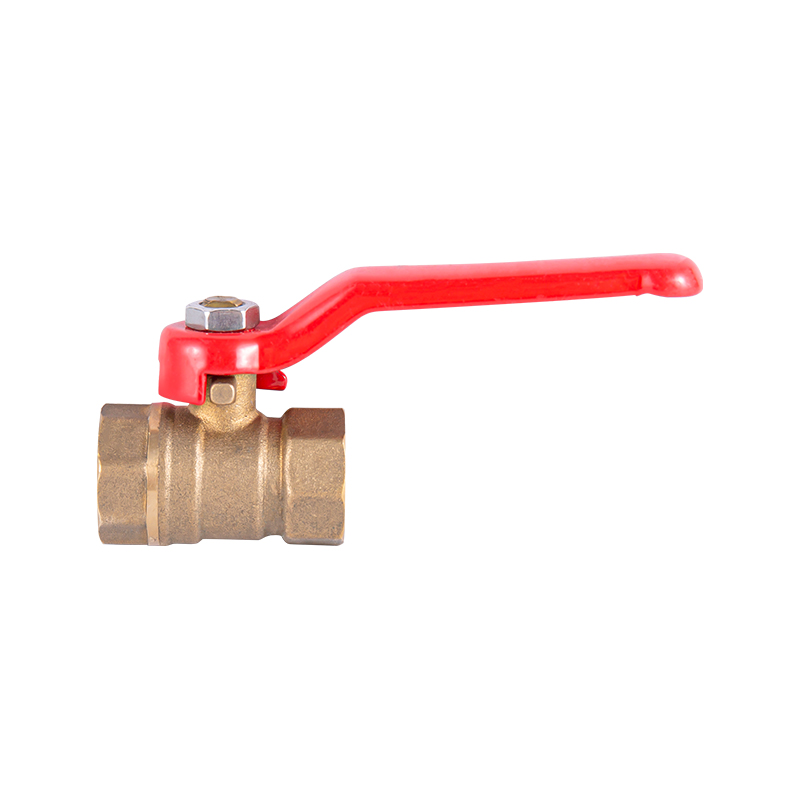
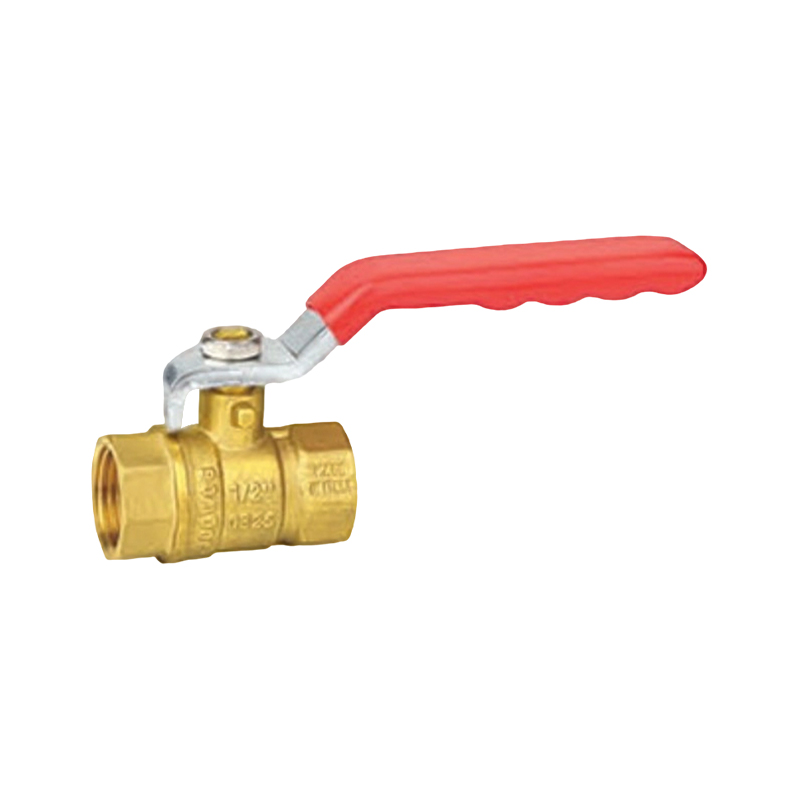
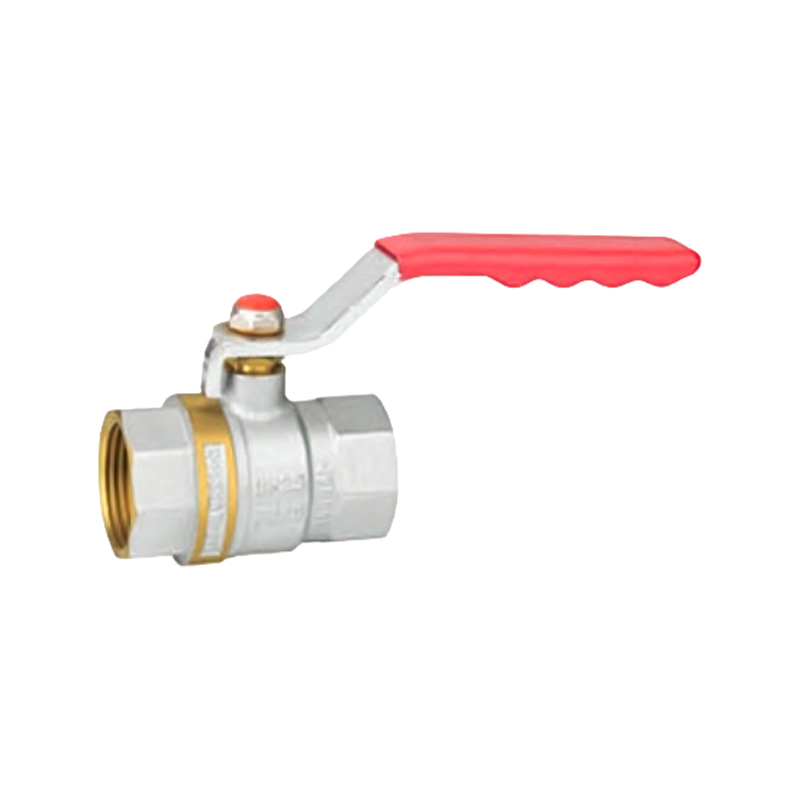
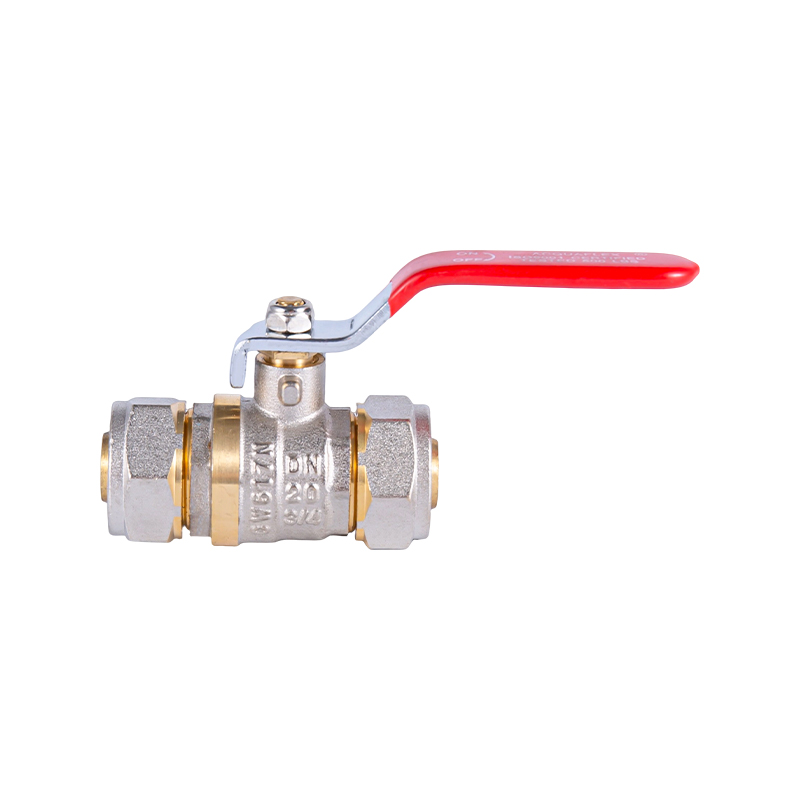
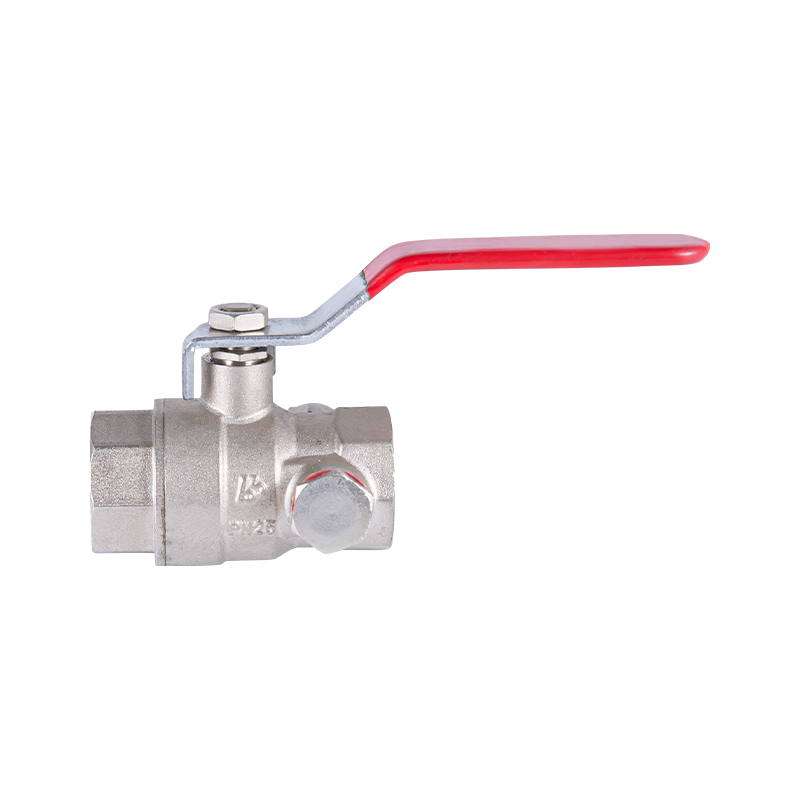
As industries move toward miniaturization, smarter system design, and sustainable engineering practices, the global demand for compact precision components continues to expand. The growing interest in innovative flow-control technology highlights how manufacturers worldwide are rethinking system architecture to fit modern performance expectations. Whether supporting advanced digital equipment or optimizing established industrial systems, these components are positioning themselves as valuable tools for the next generation of engineering. With more companies focusing on flexibility, reliability, and efficient system integration, the outlook for products such as the Mini Valve remains promising. And as global industries continue upgrading their systems, the demand for refined spherical solutions like the Ball Valve is expected to remain consistently strong.

-
Feedback
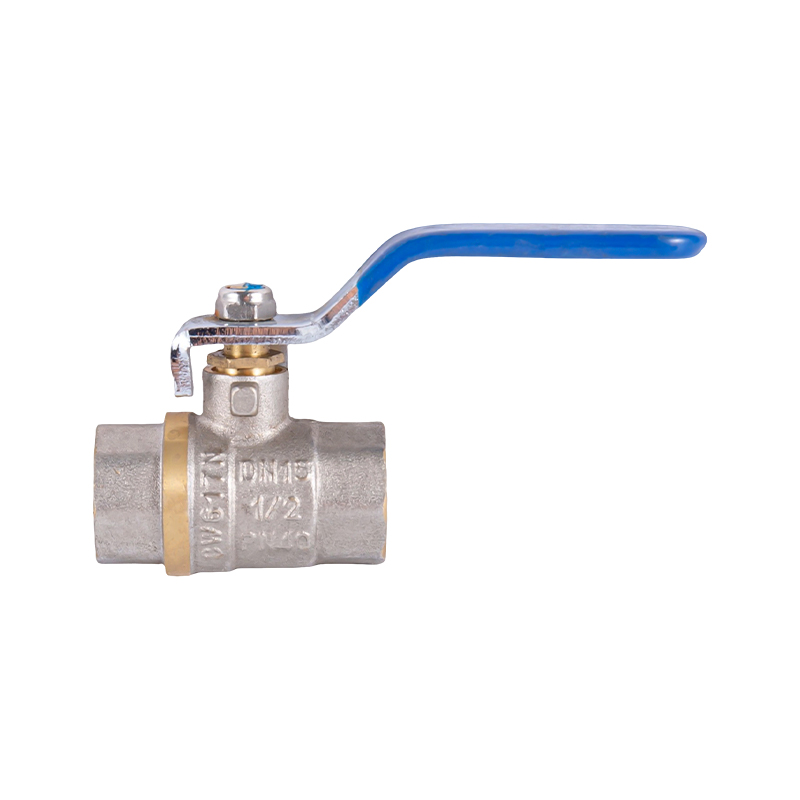
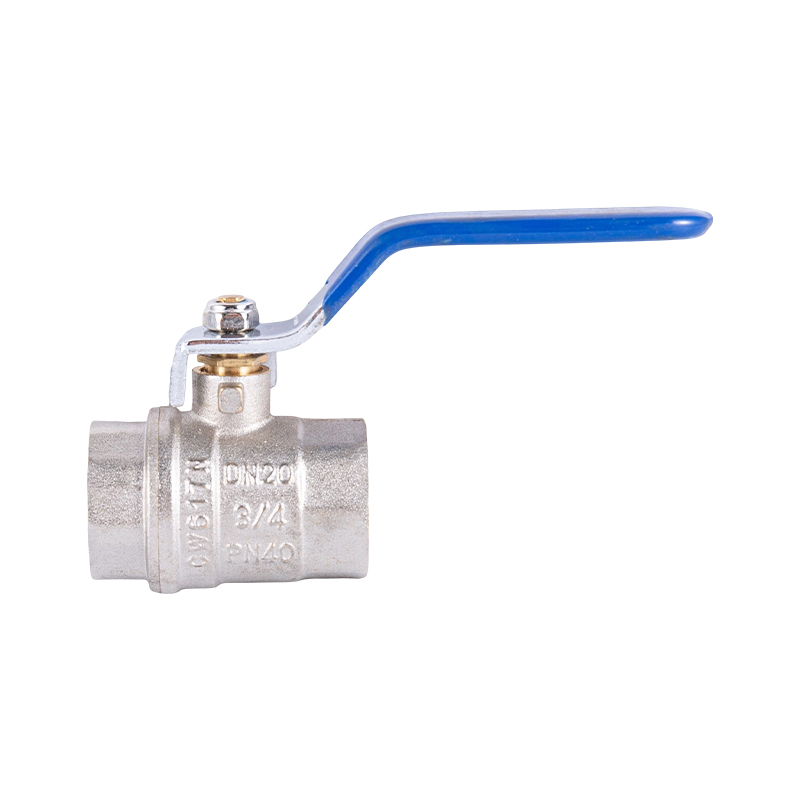
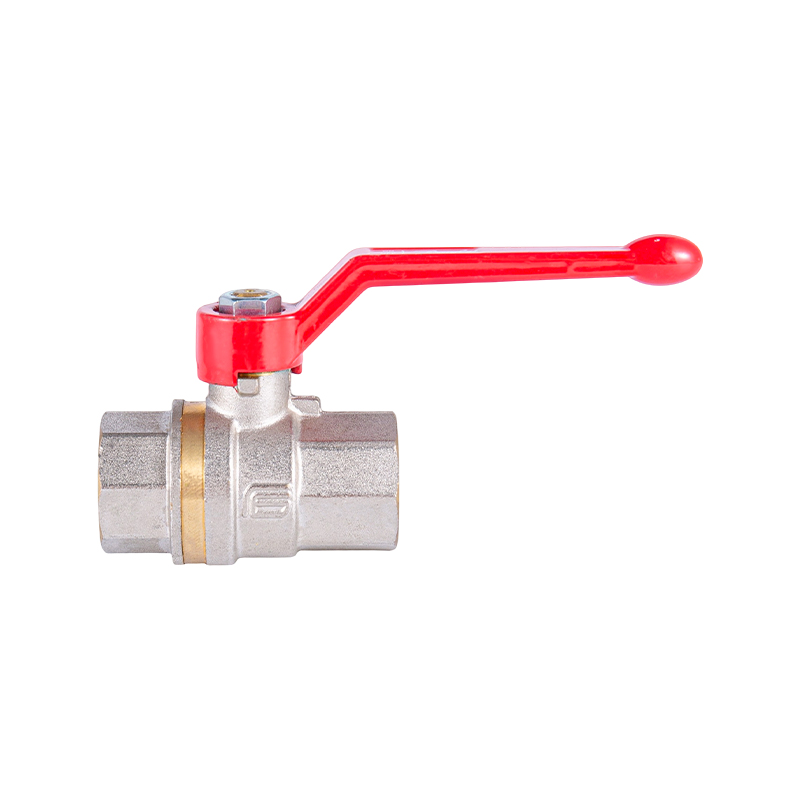
Yuhuan Xianyun Valve Co.,Ltd. is located in China valve capital" Zhejiang Donghai New city asea garden -Yuhuan, is a collection of design, pro-duction, sales of valves, plumbing sanitary waremodern brand enterprises

Contact Omformation
- Tel: 0086-13506861910
- E-mail: [email protected]
- Add: Qinggang Shuangtang Industrial Zone, Yuhuan City, Zhejiang Province, China.
Copyright © 2024 Yuhuan Xianyun Valve Co.,Ltd. All Rights Reserved.

Sale Plumbing Valves