

 English
 中文简体
中文简体 русский
 Email us now!
 Author: Admin Date: 2026-01-02
Can Small-Scale Valve Technology Transform Modern Engineering? The Rising Role of Mini Valve Solutions!
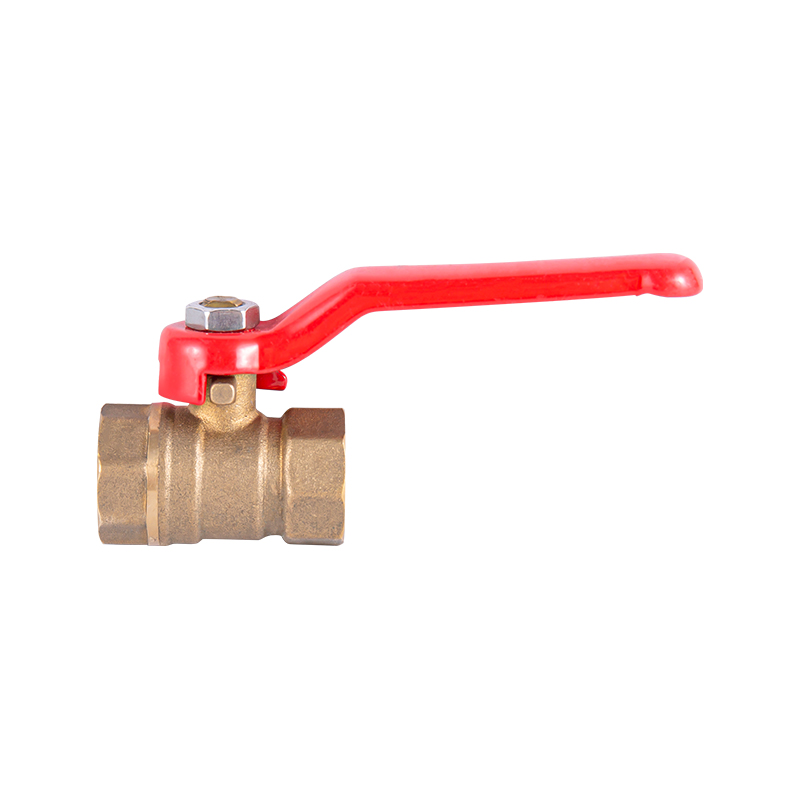
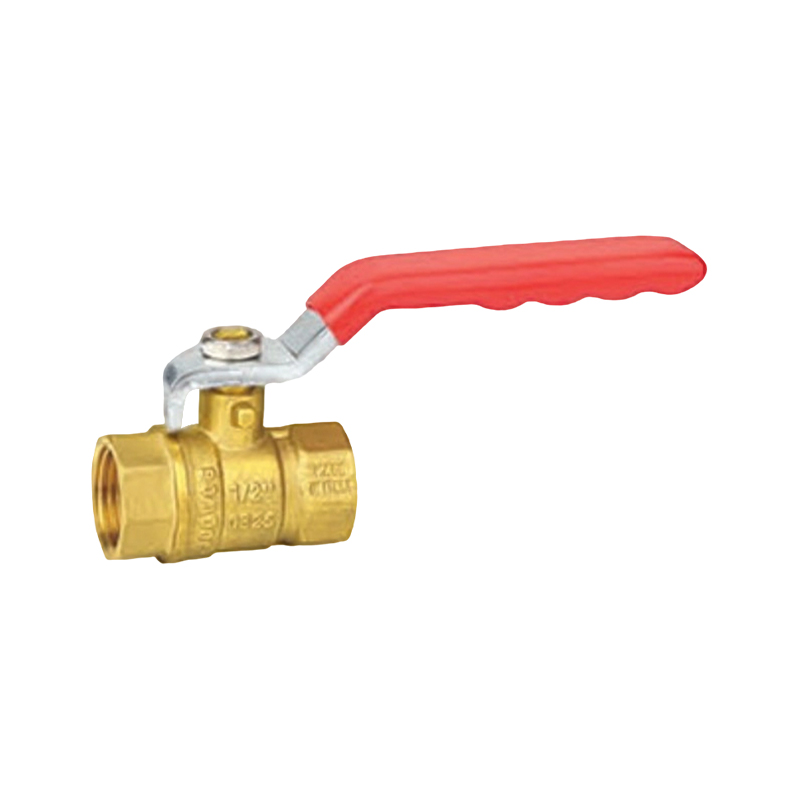
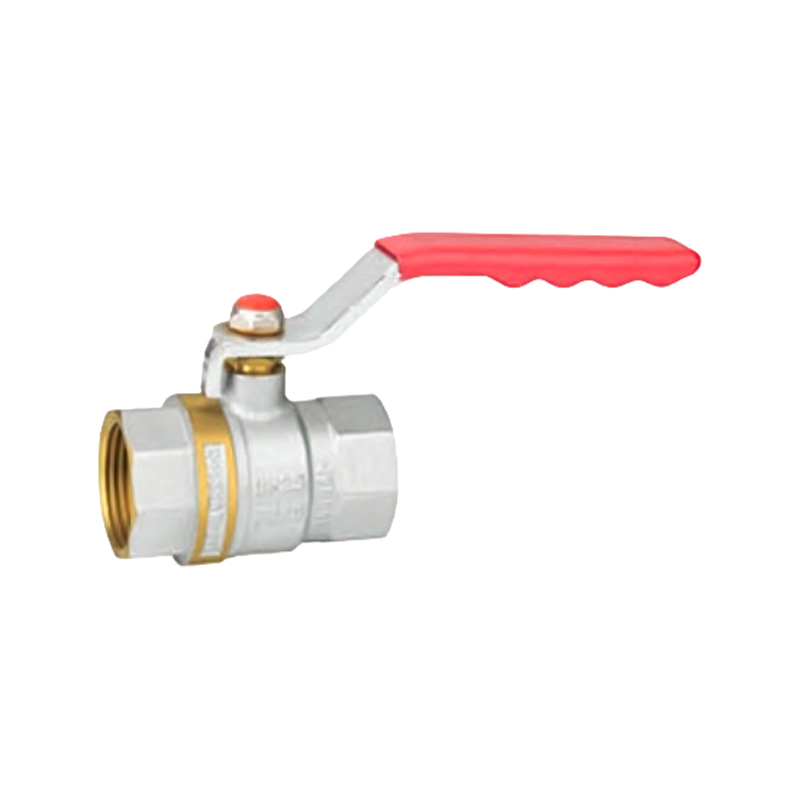
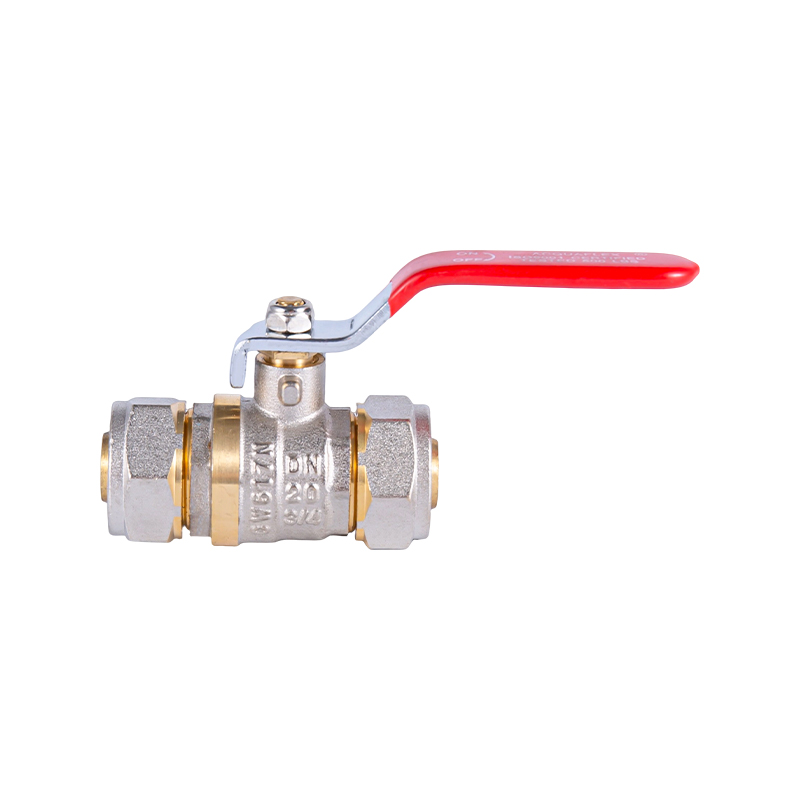
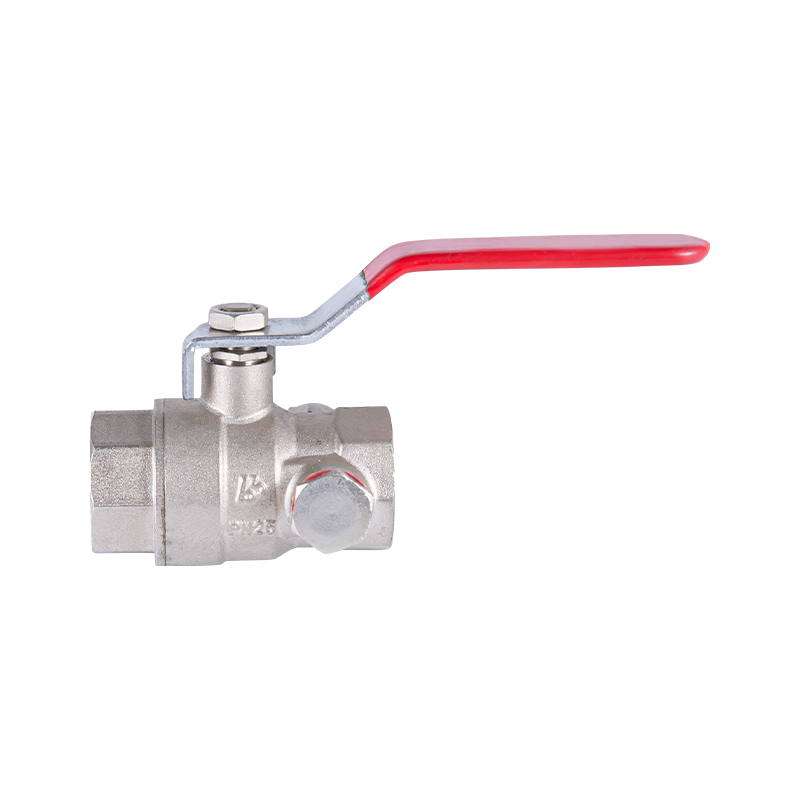
As global industries continue shifting toward compact machinery and high-precision equipment, engineers increasingly turn their attention to advanced fluid-control components—especially the Mini Valve. Across international markets, discussions around product downsizing, system simplification, and modular engineering have highlighted how miniature valves support evolving design needs. Meanwhile, larger and more durable systems continue relying on time-tested components, keeping the Ball Valve relevant in modern industrial upgrades.
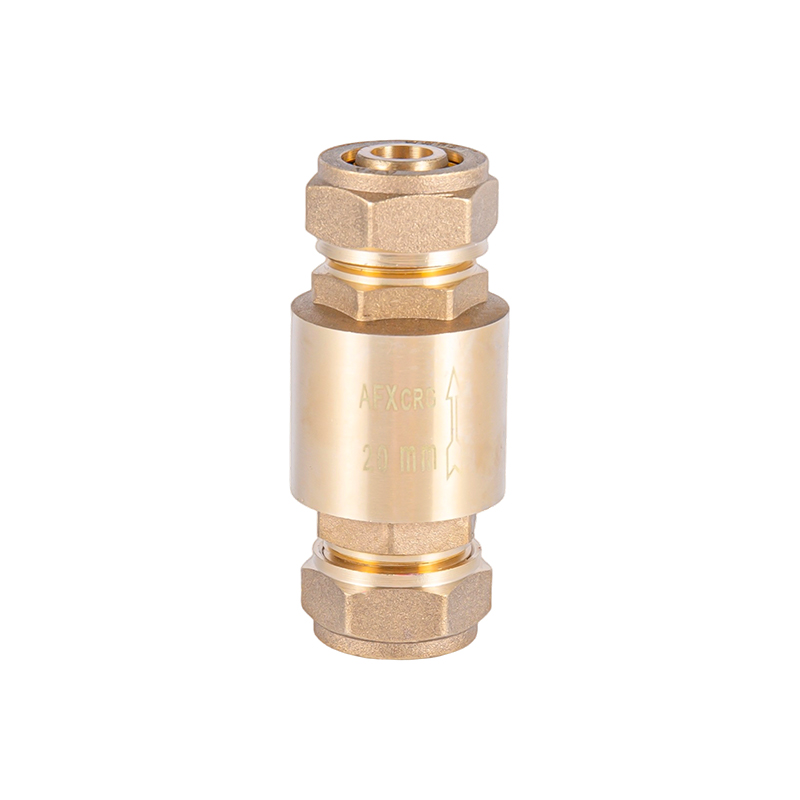
Space Efficiency: Why Compact Components Are Redefining System Layouts
One of the strongest topics circulating across engineering communities is how to maximize performance within limited installation spaces. As automation equipment, environmental instrumentation, and portable devices become smaller, designers must ensure every internal component contributes to an efficient spatial layout.
Miniature valves perfectly match these design expectations. Their small size helps engineers create tighter system configurations without sacrificing flow-control precision. Overseas discussions frequently center on “miniature engineering solutions,” where the focus is achieving the same functionality with significantly less mechanical volume. This trend extends across laboratory devices, fuel systems, small-scale pumps, and even lightweight industrial robots, where every millimeter of space directly impacts performance and cost.
Reliability Under Continuous Operation: A Strong Appeal to Global Buyers
Alongside compact design, reliability remains a top concern for buyers worldwide. Industrial equipment often runs for extended periods, meaning components must withstand constant flow, varied pressures, and repeated actuation without malfunction.
Mini Valve are increasingly recognized for their ability to maintain consistent sealing performance and stable internal flow paths despite their small structure. This reliability allows them to serve critical roles in fluid sampling systems, medical devices, testing platforms, and environmental monitoring units. Buyers in Europe, North America, and Southeast Asia especially emphasize the importance of components that reduce downtime and require minimal maintenance—a key reason why miniature valves have gained notable attention.
Growing Adoption in Clean and Eco-Friendly Applications
The global shift toward environmentally conscious engineering has also influenced fluid-control component selection. Companies now look for parts that help reduce leaks, avoid waste, and operate efficiently without excessive resource consumption.
Miniature valve designs support these sustainability trends. Their ability to provide precise shut-off reduces unnecessary fluid loss, while optimized internal geometry helps maintain smooth flow, minimizing pressure fluctuations. These attributes are particularly valued in water-quality testing systems, chemical dispensing equipment, and clean-energy technologies, where both precision and environmental responsibility matter.
Industry conversations overseas often mention how small components contribute to greener operations—supporting broader corporate sustainability goals and government environmental initiatives. This awareness continues to push demand for compact, low-waste valve designs.
Compatibility With Smart and Automated Systems
Another major driver of attention is the rapid integration of smart technology into industrial environments. As factories adopt IoT monitoring, digital diagnostics, and automated control frameworks, the need for sensor-friendly mechanical components becomes more pronounced.
Ball Valve are frequently integrated with micro-actuators, position sensors, and digital controllers because their size makes them ideal for tightly packed smart modules. They enable precise dosing, controlled sampling, and automated micro-fluid operations—all essential functions in next-generation equipment.
Meanwhile, engineering communities highlight that compact flow-control devices are instrumental in supporting multi-layered system intelligence. Their smooth operation and quick response times allow automated systems to adjust flow conditions in real time, improving efficiency across industrial processes, laboratory testing lines, and small-scale energy systems.
Cross-Industry Utility: Why Many Sectors Are Turning Toward Miniature Valves
One reason behind the rising popularity of miniature valves is their broad compatibility across sectors. Beyond traditional fluid management, industries such as medical diagnostics, environmental monitoring, food processing, aviation equipment, and compact manufacturing machinery have all begun using smaller valves more frequently.
Each industry values a different aspect:
Medical and laboratory systems favor precise, low-volume fluid control.
Portable devices and compact machinery require lightweight, space-efficient parts.
Testing and analytic instruments rely on repeatable accuracy.
Specialized industrial processes demand stable performance under varied conditions.
Because miniature valves address all these needs, they have become a favored solution for engineers seeking versatile, modern fluid-control components.

-
Feedback
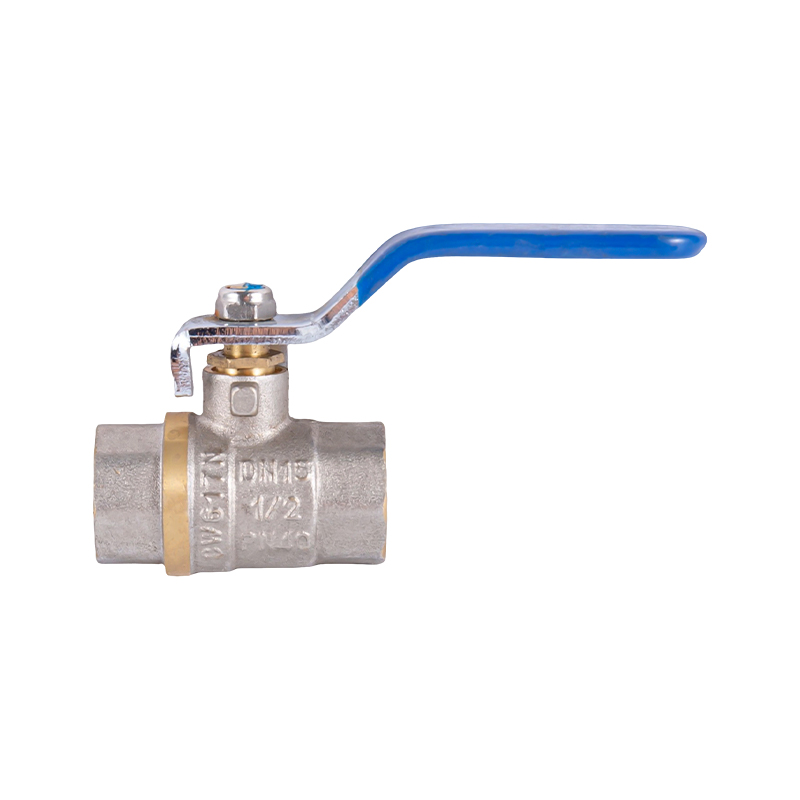
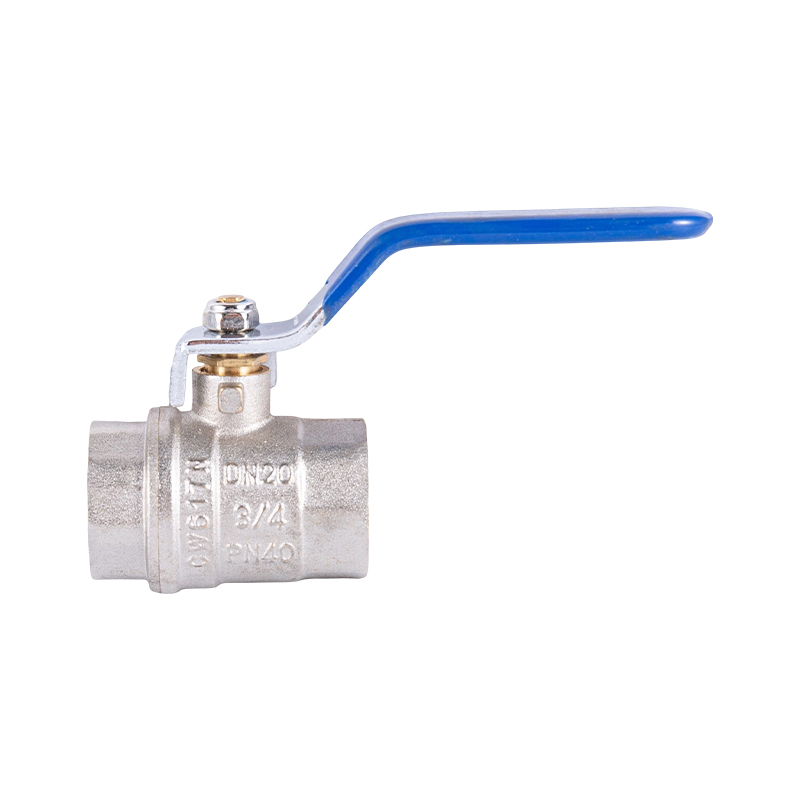
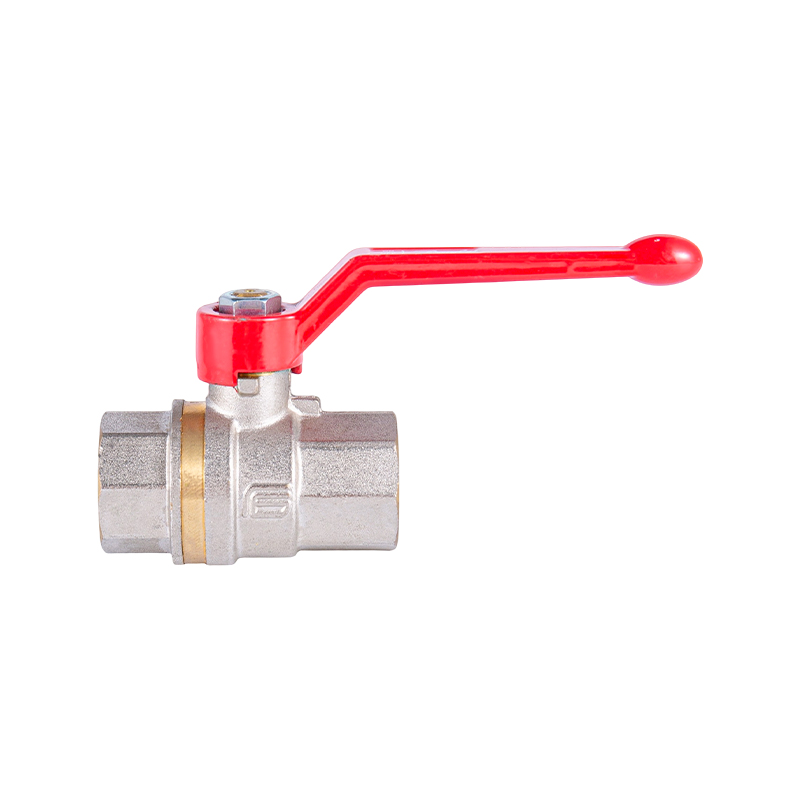
Yuhuan Xianyun Valve Co.,Ltd. is located in China valve capital" Zhejiang Donghai New city asea garden -Yuhuan, is a collection of design, pro-duction, sales of valves, plumbing sanitary waremodern brand enterprises

Contact Omformation
- Tel: 0086-13506861910
- E-mail: [email protected]
- Add: Qinggang Shuangtang Industrial Zone, Yuhuan City, Zhejiang Province, China.
Copyright © 2024 Yuhuan Xianyun Valve Co.,Ltd. All Rights Reserved.

Sale Plumbing Valves