

 English
 中文简体
中文简体 русский
 Email us now!
 Author: Admin Date: 2026-06-12
Could Smarter Valve Selection Improve Safety and Efficiency in Modern Gas Systems?
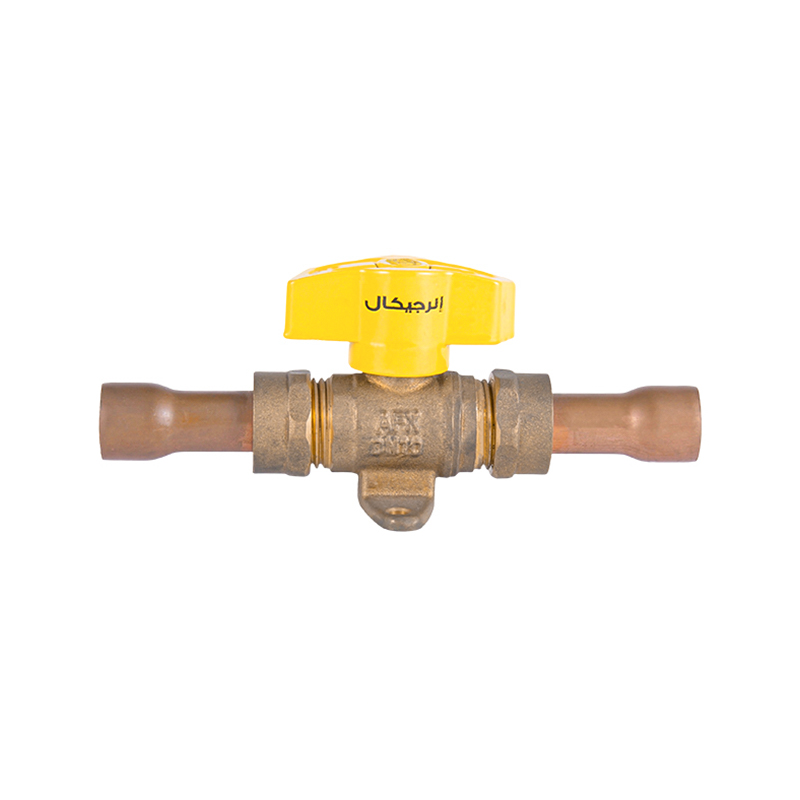
Across industrial sectors such as energy transport, HVAC engineering, and process manufacturing, system reliability is becoming a core purchasing criterion rather than an optional feature. Engineers and procurement teams are increasingly focused on reducing leakage risks, stabilizing flow performance, and extending equipment lifecycle in gas pipeline networks. In this context, the Gas Valve plays a central role in ensuring safe and controlled operation under varying pressure conditions, especially as facilities shift toward more automated and continuously monitored systems.
Why Are Gas Systems Facing Higher Safety Expectations?
Recent industry discussions show that safety regulations and internal compliance standards are becoming stricter worldwide. Gas handling systems are now expected to maintain stable sealing performance even under frequent pressure fluctuations and long operating cycles. Buyers are particularly concerned about micro-leakage risks, which may not be immediately visible but can advance to long-term operational inefficiencies.
As a result, procurement teams are prioritizing valves that offer:
- Consistent sealing under dynamic pressure conditions
- Resistance to corrosion and wear
- Stable performance in continuous operation environments
- Compatibility with monitoring and automation systems
How Is Flow Stability Affecting Equipment Performance?
Flow stability has become a key evaluation factor in modern pipeline design. Unstable gas flow can affect downstream equipment such as burners, compressors, and pressure regulators, pilot to reduced efficiency or unexpected shutdowns.
Engineers are increasingly evaluating:
- Internal flow resistance and pressure drop
- Response consistency during opening and closing cycles
- Performance under partial load conditions
- Impact on downstream system balance
This shift reflects a broader trend where valve selection is no longer isolated, but directly tied to overall system performance.
What Role Does Filtration Play in Gas Pipeline Reliability?
One of the discussed topics among maintenance engineers is contamination control. Dust, rust particles, and debris in pipelines can significantly reduce system reliability over time. This has increased demand for integrated designs that combine flow control with basic filtration functions.
In many industrial applications, engineers prefer solutions that help:
- Reduce debris entering sensitive equipment
- Lower maintenance frequency
- Improve long-term system cleanliness
- Extend service life of pumps and compressors
These needs are especially common in industrial gas distribution, HVAC networks, and mixed-fluid processing environments.
Why Is Maintenance Becoming a Key Procurement Factor?
Industrial buyers are placing more emphasis on maintenance efficiency due to rising operational costs and downtime sensitivity. Valves that are difficult to inspect or service can significantly increase long-term maintenance expenses.
Key considerations now include:
- Ease of internal inspection and cleaning
- Replacement speed for wear components
- Durability of sealing materials
- Predictability of maintenance cycles
From a manufacturing perspective, providing clear maintenance guidance has become as important as product design itself.
How Do Material Choices Impact Long-Term Performance?
Material selection plays a decisive role in valve performance under harsh working conditions. Gas systems often operate in environments with temperature changes, humidity exposure, or mildly corrosive media, making durability a critical requirement.
Engineers typically evaluate:
- Corrosion resistance over long service cycles
- Structural stability under thermal stress
- Compatibility with different gas compositions
- Seal longevity under repeated cycling
These factors directly influence lifecycle cost, which is now a major consideration in procurement decisions.
Manufacturer Perspective: Why Application-Specific Design Matters
As a manufacturer, we increasingly see demand shifting from standard products to application-driven solutions. Buyers expect valves to match specific system conditions rather than adapting systems to fixed product specifications.
Common customization requests include:
- Adjusted dimensions for system compatibility
- Pressure rating optimization
- Sealing configuration changes for specific gas media
- Integration support for automated systems
This reflects a broader shift in the industry toward system optimization rather than component replacement.
Is Integrated Valve Design the Future of Gas Systems?
As industrial systems continue to evolve, valve selection is becoming a strategic engineering decision that impacts safety, efficiency, and maintenance cost simultaneously. Buyers are now looking for solutions that offer balanced performance across multiple operating conditions.
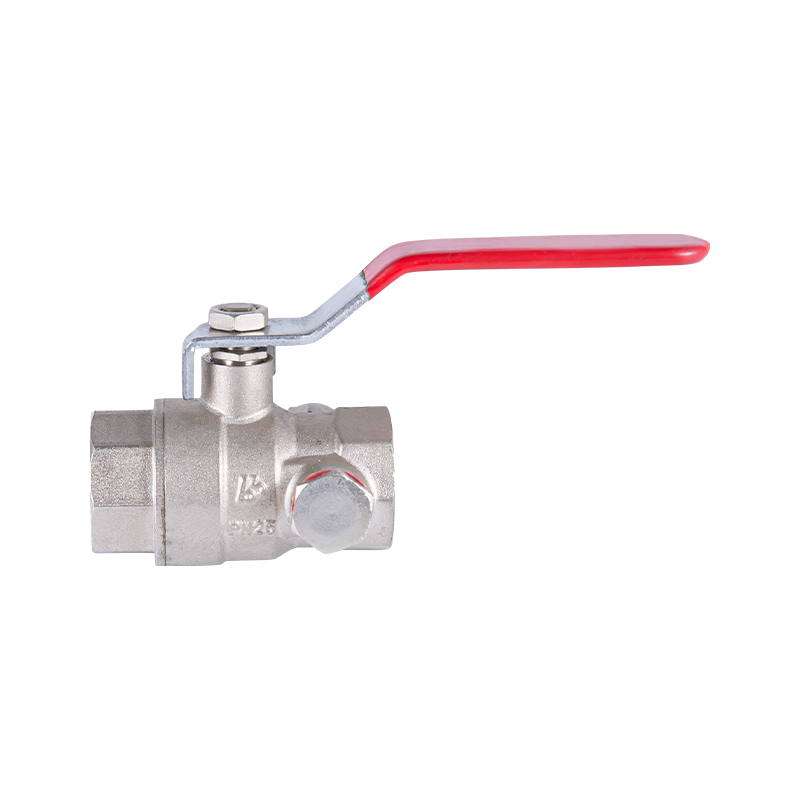
In this evolving landscape, demand continues to grow for integrated and reliable solutions such as Check Valve with Screen, especially in applications where system cleanliness and flow stability are equally important.

-
Feedback
Yuhuan Xianyun Valve Co.,Ltd. is located in China valve capital" Zhejiang Donghai New city asea garden -Yuhuan, is a collection of design, pro-duction, sales of valves, plumbing sanitary waremodern brand enterprises

Contact Omformation
- Tel: 0086-13506861910
- E-mail: [email protected]
- Add: Qinggang Shuangtang Industrial Zone, Yuhuan City, Zhejiang Province, China.
Copyright © 2024 Yuhuan Xianyun Valve Co.,Ltd. All Rights Reserved.

Sale Plumbing Valves