

 English
 中文简体
中文简体 русский
 Email us now!
 Author: Admin Date: 2026-06-19
Are Modern Pipeline Systems Ready for Smarter Gas Control and Protection Solutions?
In today’s industrial infrastructure—from energy distribution networks to HVAC systems and chemical processing lines—engineering teams are under increasing pressure to improve safety, reduce maintenance interruptions, and stabilize long-term operating performance. One of the critical components under review is the Gas Valve, especially as global buyers shift their focus from basic functionality to system reliability, leakage prevention, and lifecycle cost control.
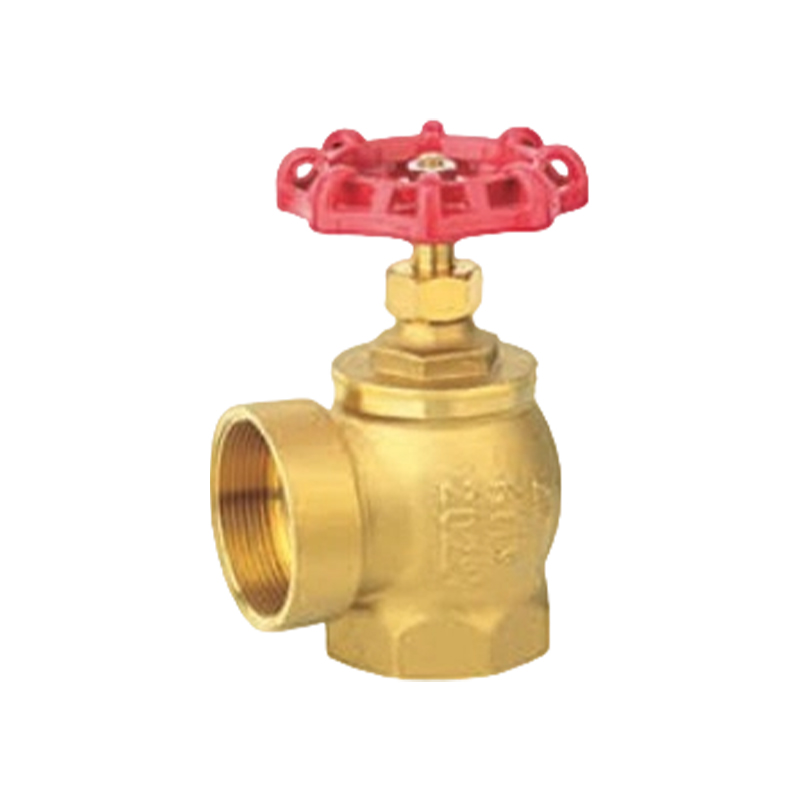
Recent procurement trends show that engineers are actively searching for valve solutions that can perform consistently under fluctuating pressure, support automated monitoring systems, and reduce unexpected shutdown risks in continuous operation environments.
Why Are Industrial Gas Systems Moving Toward Higher Reliability Standards?
Across global markets, safety compliance and operational reliability are becoming non-negotiable requirements. Industrial gas systems are now expected to maintain stable performance even under variable flow demand and long operating cycles.
Engineers are prioritizing solutions that provide:
- Stable sealing under pressure variation
- Reduced risk of gas leakage over time
- Resistance to corrosion in industrial environments
- Predictable long-term operational behavior
This shift is especially visible in facilities handling compressed air systems, fuel gas distribution, and process heating applications, where even small inefficiencies can impact the entire production chain.
How Is Automation Changing Valve Performance Expectations?
With the rapid adoption of industrial automation and IoT-based monitoring systems, valves are no longer standalone mechanical parts. They are now integrated into smart control networks that require predictable and stable response behavior.
Procurement teams are increasingly evaluating:
- Responsiveness under automated control signals
- Compatibility with remote monitoring systems
- Stability during frequent switching cycles
- Performance consistency under variable load conditions
This has raised the technical threshold for valve selection, especially in smart factory and energy management projects.
Why Is Contamination Control Becoming a Key Engineering Concern?
One of the frequently discussed issues in pipeline maintenance is contamination caused by particles, rust, or debris entering the system. Over time, these contaminants can affect sealing performance, damage downstream equipment, and increase maintenance frequency.
To address this, engineers are prioritizing system designs that:
- Reduce internal debris circulation
- Protect pumps, compressors, and regulators
- Improve overall pipeline cleanliness
- Extend equipment service life
In many real-world applications, maintenance teams now prefer integrated solutions instead of adding multiple separate protection components.
How Do Maintenance Costs Influence Valve Selection?
Maintenance planning has become a central factor in procurement decisions. Industrial buyers are no longer evaluating only initial purchase cost, but also long-term servicing requirements and downtime impact.
Key considerations include:
- Ease of disassembly for inspection
- Replacement cycle of sealing components
- Durability under continuous operation
- Reduction of unplanned maintenance events
From a manufacturer perspective, providing clear operational and maintenance guidance is now essential to support engineering decision-making.
What Role Does Material Engineering Play in Harsh Environments?
Gas systems often operate under demanding environmental conditions, including temperature variation, humidity exposure, and occasional contact with corrosive media. This makes material selection a critical factor in product reliability.
Engineers typically focus on:
- Corrosion resistance over long service periods
- Thermal stability under fluctuating temperatures
- Seal performance under repeated cycling
- Compatibility with different gas compositions
These factors directly affect lifecycle cost and system stability, which are now key procurement priorities.
Manufacturer Insight: Why Application-Based Valve Design Is Growing
From a production standpoint, there is a clear shift toward application-specific engineering rather than standardized product supply. Buyers expect valves to be tailored to their operating environment and system requirements.
Common OEM/ODM customization needs include:
- Pressure and flow specification adjustments
- Structural dimension modifications for installation compatibility
- Sealing design optimization for gas type
- Integration support for automated systems
This trend reflects a broader industry movement toward system optimization and engineering collaboration.
Is Integrated Protection the Next Step for Gas Systems?
As industrial systems become more complex and efficiency-driven, valve selection is evolving into a strategic engineering decision that directly impacts safety, performance, and operational cost. Buyers are increasingly seeking solutions that balance reliability with system compatibility.
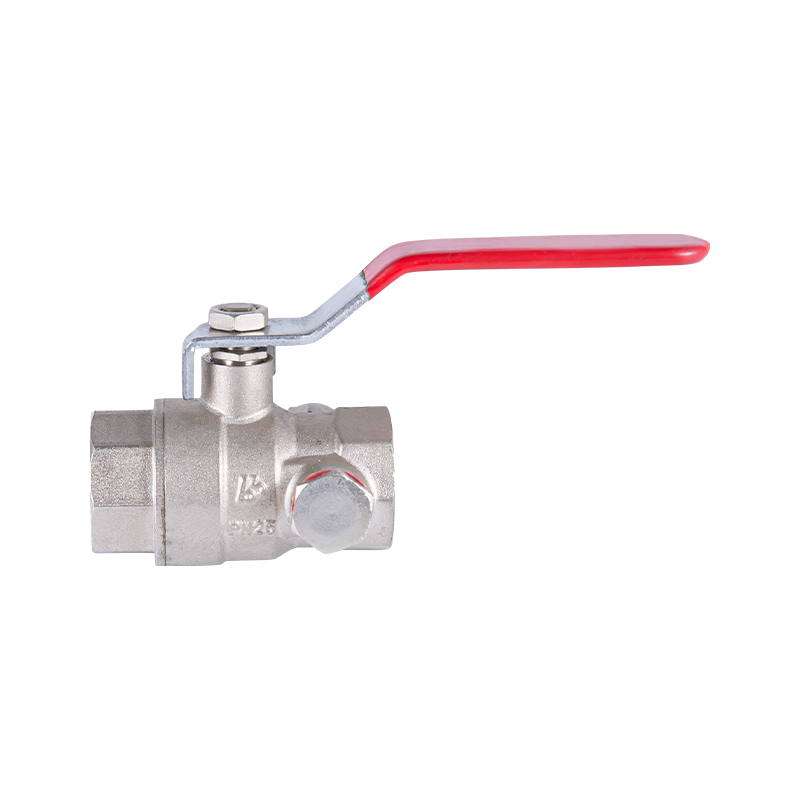
In this context, demand continues to grow for integrated and application-focused solutions such as Check Valve with Screen, particularly in systems where flow stability and contamination protection are equally important.

-
Feedback
Yuhuan Xianyun Valve Co.,Ltd. is located in China valve capital" Zhejiang Donghai New city asea garden -Yuhuan, is a collection of design, pro-duction, sales of valves, plumbing sanitary waremodern brand enterprises

Contact Omformation
- Tel: 0086-13506861910
- E-mail: [email protected]
- Add: Qinggang Shuangtang Industrial Zone, Yuhuan City, Zhejiang Province, China.
Copyright © 2024 Yuhuan Xianyun Valve Co.,Ltd. All Rights Reserved.

Sale Plumbing Valves