

 English
 中文简体
中文简体 русский
 Email us now!
 Author: Admin Date: 2026-06-26
Could Industrial Gas Systems Become More Efficient with Smarter Valve Engineering?
Could Industrial Gas Systems Become More Efficient with Smarter Valve Engineering?Industrial gas distribution and process control systems are undergoing noticeable upgrades as global manufacturers focus more on energy efficiency, safety compliance, and long-term operational stability. Engineers are increasingly reassessing core pipeline components to reduce leakage risks, improve flow control accuracy, and minimize maintenance interruptions. Among these components, the Gas Valve has become a key focus in procurement decisions, especially in systems where continuous operation and pressure stability are critical.
Recent discussions among plant engineers and procurement teams show a growing interest in how valve design impacts not only safety but also overall system efficiency and lifecycle cost.
Why Is Energy Efficiency Becoming a Priority in Gas Systems?
Energy efficiency is no longer limited to motors and compressors—it now extends to every component in a pipeline system. Gas systems that experience pressure loss or unstable flow often advance to higher energy consumption downstream.
Engineers are now evaluating:
- Pressure drop across valve assemblies
- Flow resistance during long operation cycles
- Leakage rate over extended service life
- Compatibility with low-energy system designs
This shift is especially important in industries such as HVAC, petrochemical processing, and industrial heating, where even small inefficiencies can accumulate into significant operational costs.
How Does Valve Stability Affect System Performance?
Valve stability plays a crucial role in maintaining consistent gas flow and protecting downstream equipment. Unstable valve behavior can advance to pressure fluctuations, which may affect burners, compressors, and control instruments.
Procurement teams are focusing on:
- Consistent opening and closing response
- Reduced vibration during operation
- Stable sealing under variable pressure
- Long-term mechanical reliability
These performance factors are now considered as important as material selection or nominal pressure rating in many engineering evaluations.
Why Is System Contamination Still a Hidden Risk?
One of the less visible but highly impactful issues in gas systems is contamination from dust, metal particles, or pipeline residue. Over time, these particles can accumulate and interfere with sealing surfaces or damage sensitive downstream equipment.
Engineers are increasingly prioritizing designs that help:
- Minimize particle entry into critical components
- Protect regulators and control devices
- Maintain internal pipeline cleanliness
- Reduce emergency maintenance events
In many cases, contamination-related failures are more costly than gradual wear, making prevention a key design focus.
How Are Maintenance Strategies Changing in Modern Facilities?
Maintenance planning is shifting from reactive repair to predictive and preventive strategies. This change is influencing how valves are selected during procurement stages.
Key decision factors now include:
- Ease of inspection without full system shutdown
- Predictable wear patterns of sealing components
- Reduced frequency of gasket or seat replacement
- Compatibility with scheduled maintenance cycles
Manufacturers are expected to provide clearer lifecycle data and service recommendations to support these modern maintenance models.
What Role Does Material Selection Play in Long-Term Reliability?
Gas systems often operate in environments where temperature fluctuations, humidity, and mild corrosive elements are present. These conditions place continuous stress on valve materials and sealing structures.
Engineers typically evaluate:
- Corrosion resistance under industrial exposure
- Mechanical stability under thermal cycling
- Seal integrity over repeated operations
- Compatibility with different gas compositions
Material performance directly influences operational safety and total lifecycle cost, making it a key evaluation factor in procurement discussions.
Manufacturer Perspective: Why Custom Engineering Is Increasing
From a manufacturing standpoint, there is a clear transition toward customized valve solutions tailored to specific industrial applications. Standardized products are often insufficient for complex system requirements.
Common customization requests include:
- Adjusted pressure ratings for system design compatibility
- Modified inlet/outlet dimensions for installation flexibility
- Enhanced sealing structures for specific gas types
- Integration readiness for automated control systems
This trend highlights the growing importance of collaboration between manufacturers and system engineers during the design phase.
Is Smarter Valve Design the Key to System Optimization?
As industrial gas systems evolve toward higher efficiency and automation, valve selection is becoming a strategic engineering decision rather than a routine procurement task. Buyers are increasingly focused on long-term performance, system compatibility, and maintenance optimization.
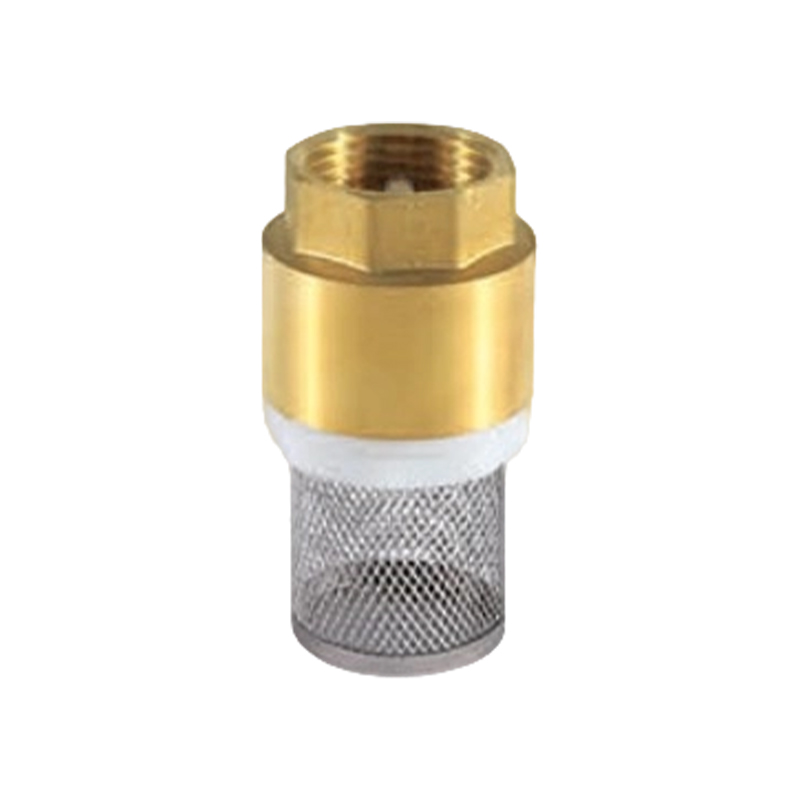
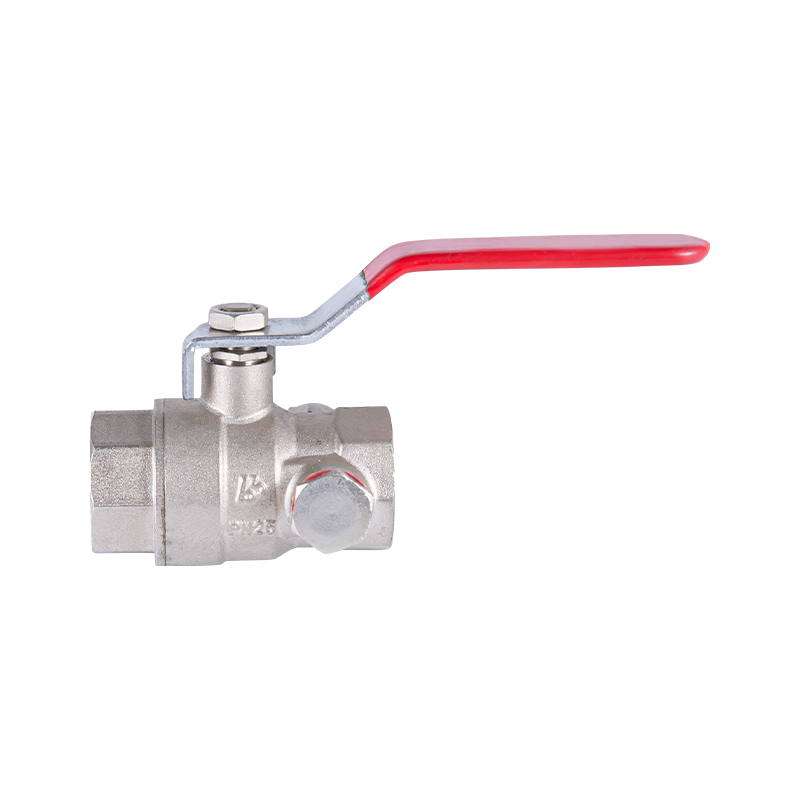
In this evolving landscape, demand continues to grow for reliable and application-oriented solutions such as Check Valve with Screen, particularly in systems where flow stability and contamination protection are essential for safe and efficient operation.

-
Feedback
Yuhuan Xianyun Valve Co.,Ltd. is located in China valve capital" Zhejiang Donghai New city asea garden -Yuhuan, is a collection of design, pro-duction, sales of valves, plumbing sanitary waremodern brand enterprises

Contact Omformation
- Tel: 0086-13506861910
- E-mail: [email protected]
- Add: Qinggang Shuangtang Industrial Zone, Yuhuan City, Zhejiang Province, China.
Copyright © 2024 Yuhuan Xianyun Valve Co.,Ltd. All Rights Reserved.

Sale Plumbing Valves