

 English
 中文简体
中文简体 русский
 Email us now!
 Author: Admin Date: 2026-06-05
Why Are Industrial Buyers Paying More Attention to Valve Safety and Filtration Performance?
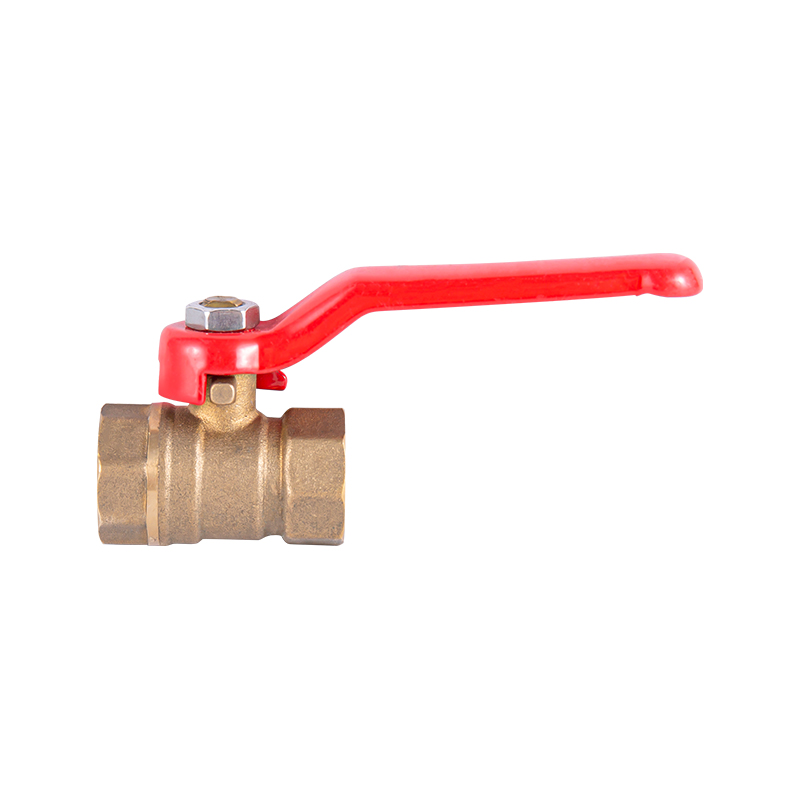
As global demand for energy efficiency, pipeline reliability, and preventive maintenance continues to grow, industrial buyers are becoming more selective when sourcing flow control components. Across HVAC systems, gas distribution networks, water treatment facilities, and industrial processing plants, engineers are searching for solutions that can improve system safety while reducing maintenance costs. In this environment, the Gas Valve has become a critical component for controlling flow safely and efficiently, particularly in applications where operational stability and regulatory compliance are essential.
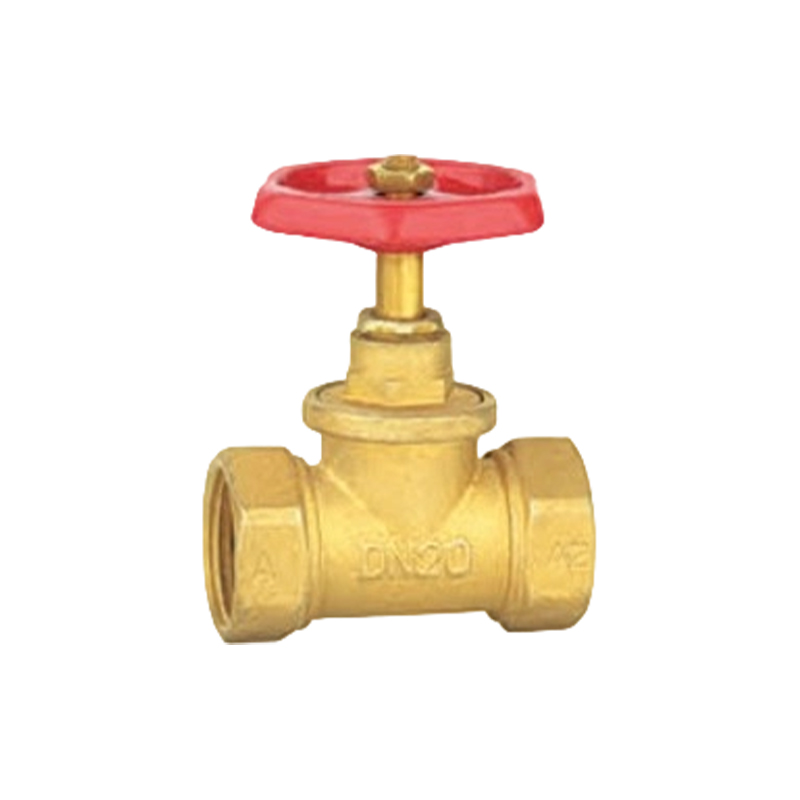
Rather than focusing solely on price, procurement teams are increasingly evaluating product durability, contamination prevention capabilities, and long-term performance under real operating conditions.
Why System Contamination Is Becoming a Major Concern
One of the common causes of valve failure is the presence of debris, rust particles, scale, and other contaminants inside pipelines. Even small particles can affect sealing performance, restrict flow, or damage downstream equipment.
As industrial systems become more automated and sensitive, operators are searching for ways to prevent contamination before it creates costly maintenance issues. This is particularly important in gas distribution, heating systems, and industrial fluid transfer applications where uninterrupted performance is essential.
Preventive filtration solutions are gaining attention because they help reduce equipment wear and extend the service life of entire pipeline systems.
The Shift Toward Integrated Protection Solutions
Recent discussions among engineers and facility managers show a growing preference for products that combine multiple functions within a compact design.
Instead of installing separate filtration and flow-control components, many buyers are looking for solutions that can simplify system layouts while maintaining performance. This trend is especially visible in commercial buildings, industrial facilities, and utility infrastructure projects where installation space is often limited.
By integrating filtration and flow protection into the pipeline design, operators can improve maintenance efficiency and reduce the number of potential failure points.
Reliability Matters More Than Ever in Gas Applications
Safety remains the priority in gas transportation and distribution systems. Whether used in residential gas networks, industrial burners, or commercial heating systems, valves must maintain consistent performance under varying operating conditions.
Buyers are increasingly evaluating factors such as:
- Leak prevention capability
- Corrosion resistance
- Pressure stability
- Long-term sealing performance
- Material compatibility with gas media
As manufacturers, we frequently receive inquiries focused on operational reliability rather than simply technical specifications. Buyers want assurance that components can perform consistently throughout their service life.
How Filtration Improves Overall System Efficiency
Many operators underestimate the impact that contamination can have on system performance. Small particles entering pumps, regulators, meters, or control valves can gradually reduce efficiency and increase maintenance frequency.
A properly designed filtration solution can help:
- Prevent blockage in downstream equipment
- Reduce unplanned maintenance interventions
- Improve flow consistency
- Protect sensitive control components
- Extend system operating life
For large commercial and industrial installations, these benefits often translate into improved operational continuity and lower lifecycle costs.
What Professional Buyers Are Asking Before Purchasing
Based on inquiries we receive from distributors, contractors, and industrial project managers, several questions consistently appear during the procurement process.
Key Evaluation Questions
Is the valve suitable for long-term gas applications?
Buyers want products designed for stable performance under continuous operation.
How effective is the filtration system against pipeline debris?
Contamination control is becoming a major purchasing consideration.
What materials are used for the body and internal components?
Corrosion resistance and durability are important in demanding environments.
Can the valve be integrated into existing pipeline systems?
Installation compatibility often influences purchasing decisions.
Manufacturing Quality Is a Competitive Advantage
As industrial buyers become more knowledgeable, manufacturing consistency has become a decisive factor. Product design alone is no longer enough. Buyers increasingly evaluate production capabilities, quality control procedures, machining precision, and inspection standards before selecting a supplier.
As a manufacturer, we understand that every valve installed in the field becomes part of a larger operating system. Reliable performance depends on material selection, dimensional accuracy, assembly quality, and rigorous testing throughout the production process.
This is why experienced buyers often prefer suppliers capable of providing technical support, customization options, and stable production capacity for long-term projects.
Smarter Protection for Modern Pipeline Systems
Industrial pipeline systems are becoming more sophisticated, placing greater emphasis on reliability, safety, and preventive maintenance. Buyers are actively searching for solutions that help reduce downtime while protecting critical equipment from contamination and operational risks.
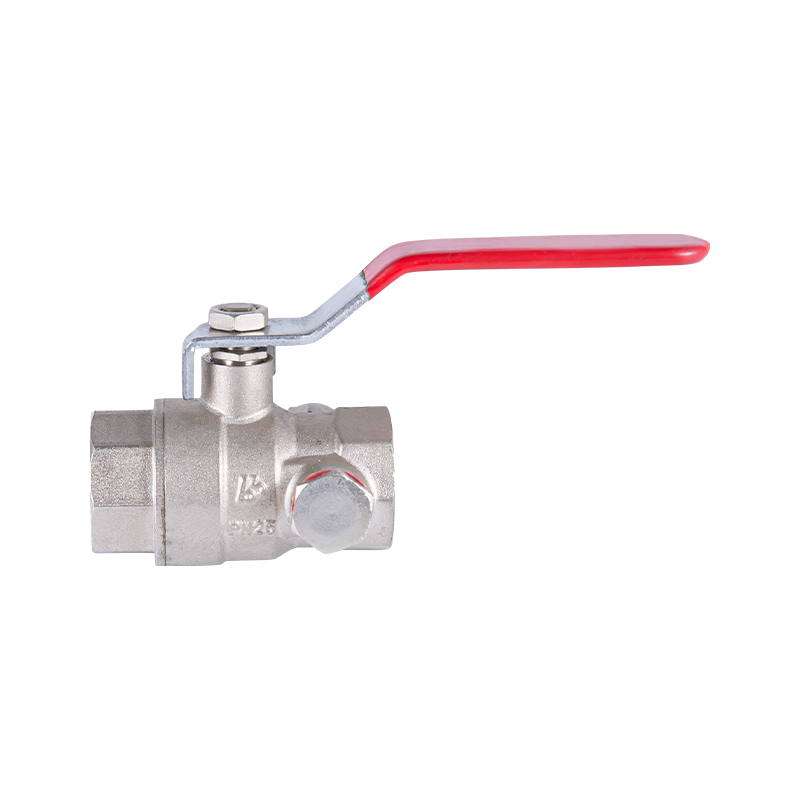
As these requirements continue to evolve, products such as the Check Valve with Screen are becoming increasingly valuable because they combine flow control and filtration functions within a single solution. Together with a high-quality Gas Valve, they help create safer, cleaner, and more efficient pipeline systems that meet the growing expectations of modern industrial and commercial applications.

-
Feedback
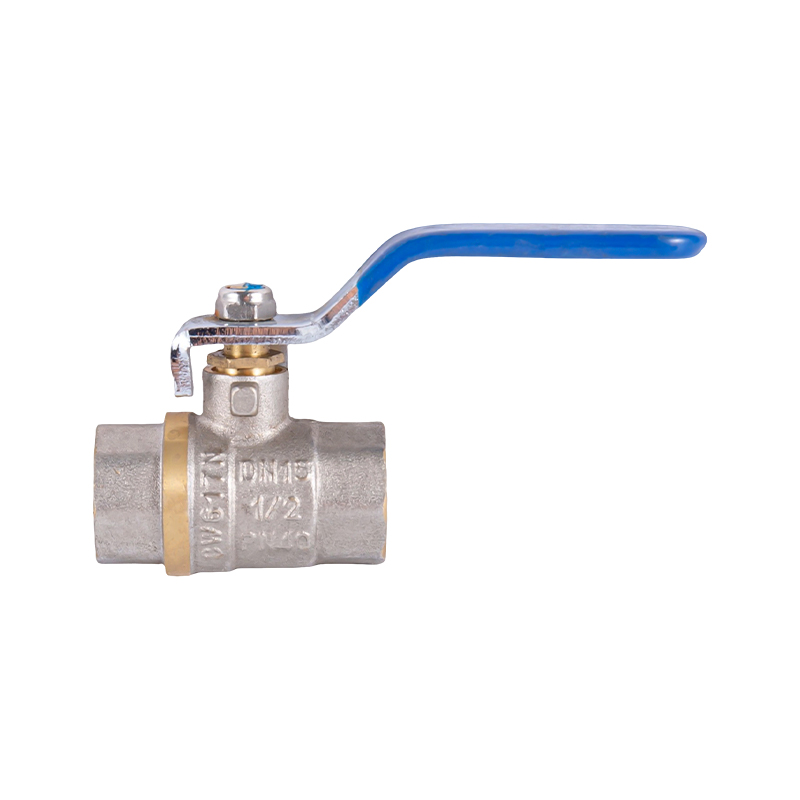
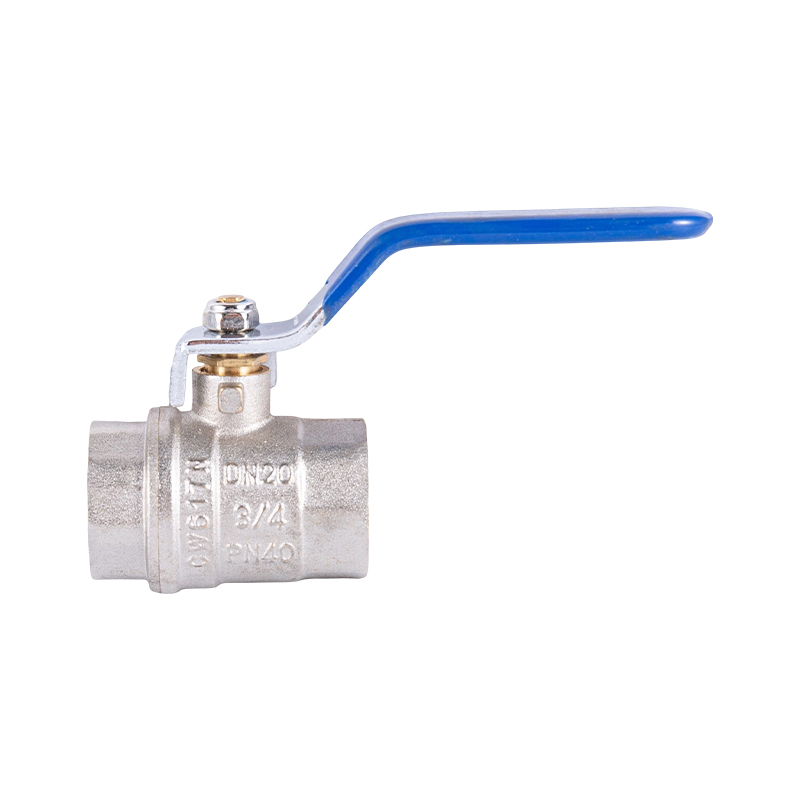
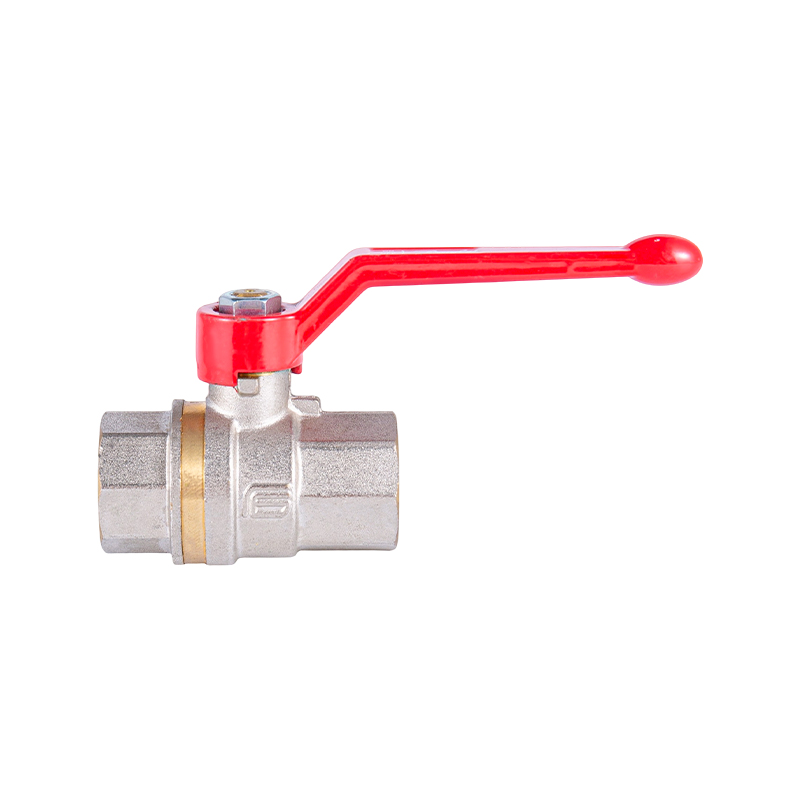
Yuhuan Xianyun Valve Co.,Ltd. is located in China valve capital" Zhejiang Donghai New city asea garden -Yuhuan, is a collection of design, pro-duction, sales of valves, plumbing sanitary waremodern brand enterprises

Contact Omformation
- Tel: 0086-13506861910
- E-mail: [email protected]
- Add: Qinggang Shuangtang Industrial Zone, Yuhuan City, Zhejiang Province, China.
Copyright © 2024 Yuhuan Xianyun Valve Co.,Ltd. All Rights Reserved.

Sale Plumbing Valves