

 English
 中文简体
中文简体 русский
 Email us now!
 Author: Admin Date: 2026-02-13
Why Are Engineers Rethinking Valve Selection for Long-Term System Stability?
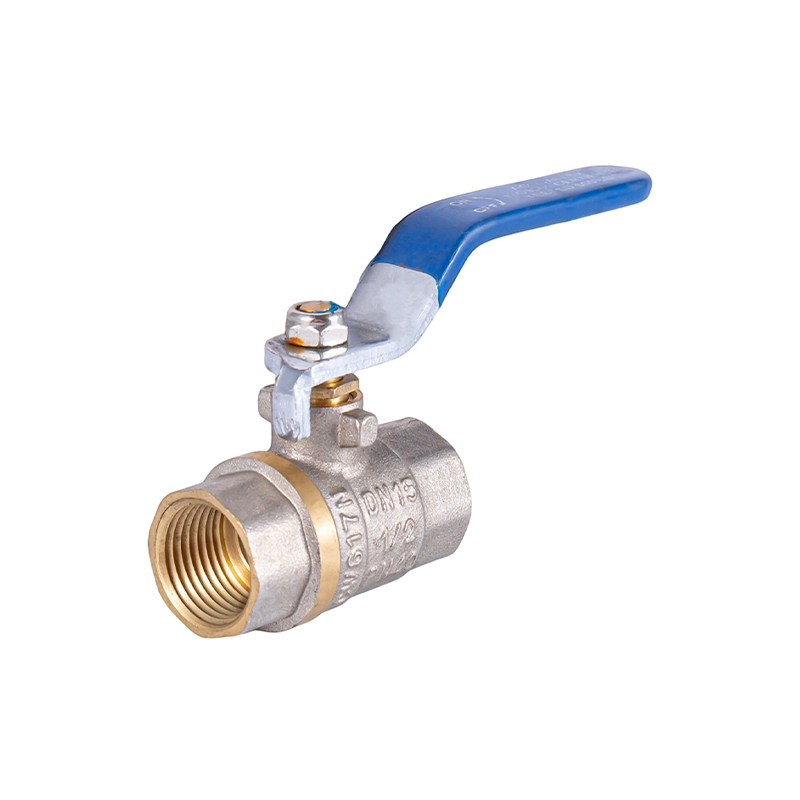
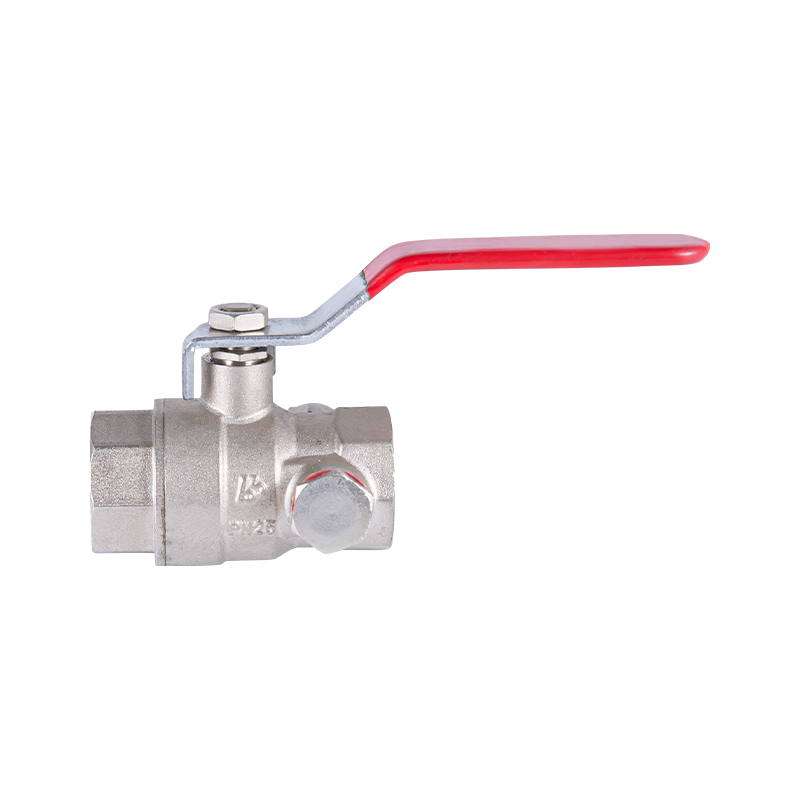
In recent overseas industry discussions, valve selection is no longer treated as a purely technical checklist. Engineers, project managers, and plant operators are sharing a more experience-based perspective: how valves behave after installation, not just on day one. Within this context, the Y-type Ball Valve is often brought into conversations about reducing operational friction and improving flow reliability in real working conditions.
Operational Friction Is the Hidden Cost Users Talk About
Across global social platforms and technical communities, users frequently mention “invisible problems” in piping systems. These are not dramatic failures, but small inefficiencies that slowly increase operating costs—frequent cleaning, inconsistent flow, or valves that become difficult to access once the system is running.
Many professionals note that Y-type designs naturally align with piping layouts, making them feel less intrusive during routine checks. The angled structure often reduces turbulence at connection points, which users associate with smoother system behavior over time. This kind of everyday convenience is becoming a major factor in purchasing decisions.
Preventive Protection Is Replacing Reactive Repairs
Another trend gaining attention overseas is preventive system protection. Instead of fixing issues after damage occurs, operators want components that quietly reduce risk from the start. In this context, the Check Valve with Screen is often discussed as a practical safeguard rather than a complex solution.
Users value designs that combine multiple protective roles into a single component. By helping control flow direction while intercepting debris, screened check valves reduce the need for additional protective devices. This approach resonates strongly with buyers who want simpler systems without sacrificing reliability.
Application Scenarios That Shape Real Demand
Rather than focusing on abstract performance descriptions, overseas buyers often reference specific working environments when discussing valve choices, such as:
- Water distribution lines exposed to sediment or scale
- Industrial circulation systems where backflow can affect equipment stability
- Process pipelines that require consistent operation with minimal supervision
In these scenarios, the Y-type structure is frequently associated with steady flow characteristics, while screened check valves are seen as a passive layer of protection that does not interfere with daily operation. Together, they respond to common concerns shared across industries.
Installation Simplicity Matters More Than Ever
Global supply chains and labor availability have influenced how buyers evaluate components. Valves that are easy to install, inspect, and integrate into existing systems are often favored over designs that require specialized handling.
Overseas users regularly mention that they prefer components that “fit into what we already have.” Y-type ball valves often meet this expectation because their form complements angled pipelines, while check valves with screens help consolidate functions without expanding system complexity. This compatibility reduces hesitation during upgrades or replacements.
User Habits Are Shaping Product Expectations
One key insight from international discussions is that even well-designed products can fail commercially if they demand new habits from users. Engineers and maintenance teams prefer solutions that work within familiar routines.
Valves that allow standard inspection methods and predictable operation gain trust more quickly. When a component behaves consistently and does not add steps to existing workflows, users are more likely to view it as a long-term solution rather than a temporary fix.
Manufacturing Perspective: Designing for Daily Reality
From a manufacturer’s standpoint, authority in global markets comes from understanding how products are used every day. Buyers are increasingly drawn to suppliers who emphasize practical performance, material consistency, and thoughtful structural design.
As industries continue refining their approach to flow control and system protection, the conversation is shifting away from headline specifications toward lived experience. Solutions that quietly support stability, reduce maintenance pressure, and integrate seamlessly into existing pipelines are gaining recognition. This evolving demand explains why configurations centered on the Y-type Ball Valve ,Check Valve with Screen continue to attract attention in modern industrial projects.

-
Feedback
Yuhuan Xianyun Valve Co.,Ltd. is located in China valve capital" Zhejiang Donghai New city asea garden -Yuhuan, is a collection of design, pro-duction, sales of valves, plumbing sanitary waremodern brand enterprises

Contact Omformation
- Tel: 0086-13506861910
- E-mail: [email protected]
- Add: Qinggang Shuangtang Industrial Zone, Yuhuan City, Zhejiang Province, China.
Copyright © 2024 Yuhuan Xianyun Valve Co.,Ltd. All Rights Reserved.

Sale Plumbing Valves