

 English
 中文简体
中文简体 русский
 Email us now!
 Author: Admin Date: 2026-01-16
Why Are Compact Flow Control Solutions Gaining Global Attention?
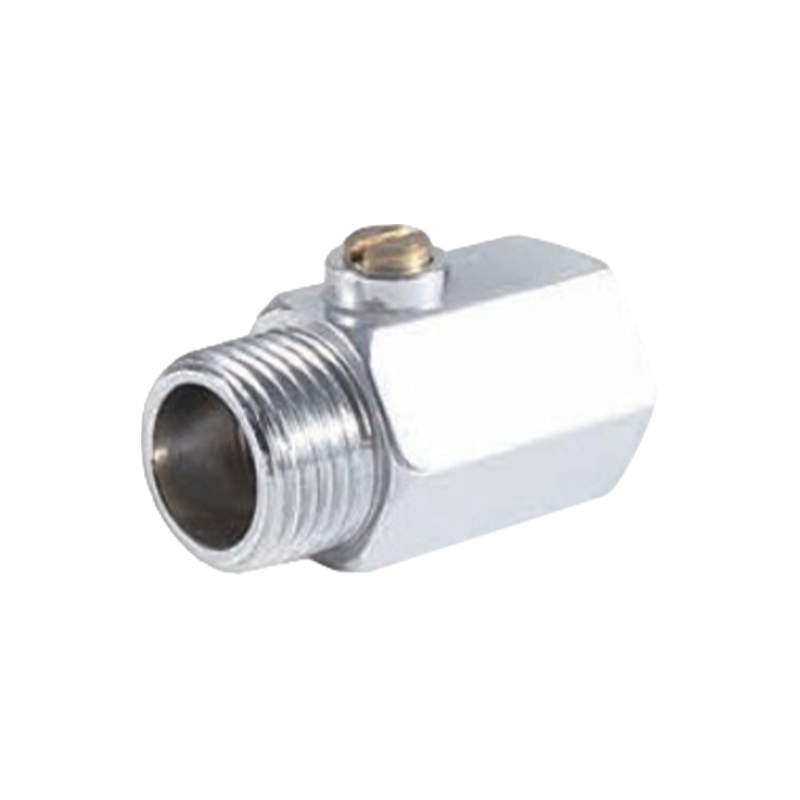
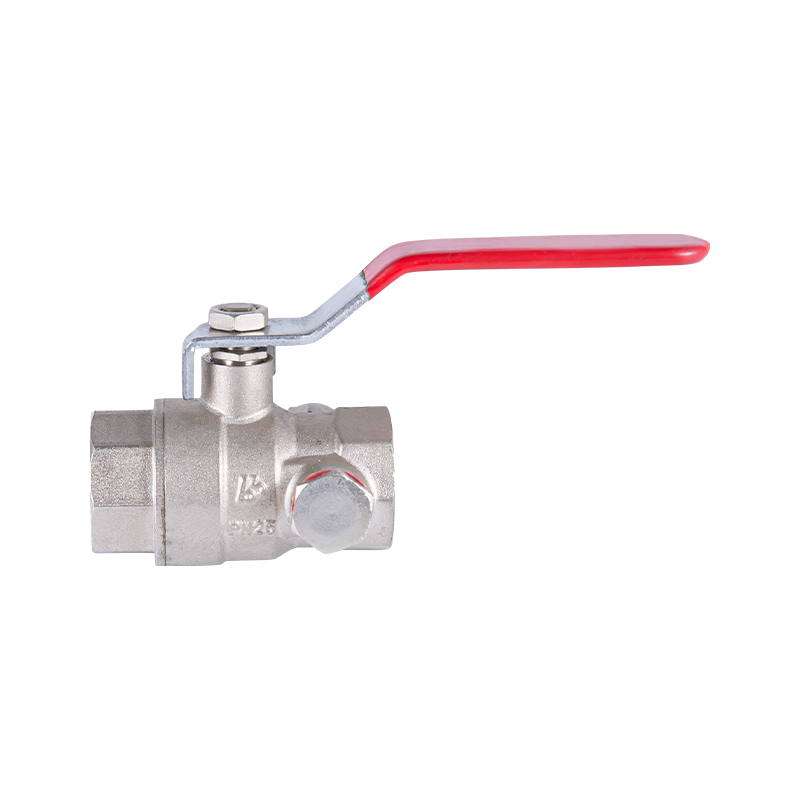
On overseas engineering blogs, industrial LinkedIn groups, and fluid system discussion boards, compact components are becoming a major topic of interest. As installations move toward tighter layouts and more integrated designs, buyers are reassessing how much impact small parts can have on overall system reliability. In this context, the Mini Valve is often mentioned for its adaptability in limited spaces, while the Check Valve with Screen attracts attention for combining backflow prevention with basic filtration. Together, they represent a new focus on efficiency, protection, and practical design in modern fluid systems.
Changing Expectations in Global Valve Selection
International buyers are no longer selecting valves solely based on size or basic function. Instead, they are evaluating how components fit into real-world operating environments. Space constraints, system cleanliness, and ease of integration are frequently discussed across overseas markets.
Mini valves meet these expectations by offering controlled flow management where traditional valves may be too bulky. Check valves with screens appeal to system designers who want to reduce component count while maintaining protection against debris and reverse flow. This shift reflects a more holistic approach to valve selection.
Compact Design Supporting Modern System Layouts
Modern fluid systems often emphasize modularity and streamlined layouts. Whether in water distribution, HVAC assemblies, or equipment manufacturing, space optimization has become a common requirement.
Mini valves are frequently chosen for branch lines and auxiliary circuits where precise control is needed without altering the overall system footprint. Check valves with screens support these layouts by combining directional control and filtration in a single unit, reducing installation complexity and simplifying system design.
The Role of Clean Flow in System Stability
Across overseas maintenance discussions, contamination is repeatedly identified as a cause of performance degradation. Particles in fluid media can affect pumps, meters, and sensitive control components.
Check valves with screens help address this concern by acting as an initial barrier against debris while also preventing reverse flow. Mini valves complement this role by allowing localized control, making it easier to isolate sections of a system for inspection or cleaning. Together, they support more stable long-term operation.
Installation Efficiency as a Decision Factor
Installation time and ease are increasingly important in international projects, where labor efficiency directly affects project timelines. Contractors often share insights about components that reduce installation effort without compromising reliability.
Mini valves are valued for their straightforward installation in confined areas. Check valves with screens are appreciated for minimizing the need for separate filtration devices. This focus on installation efficiency aligns with the global trend toward faster, more predictable project execution.
Maintenance-Friendly Features Valued Overseas
Ease of maintenance continues to influence purchasing decisions, especially in export markets where service access may be limited. Buyers look for components that can be inspected and maintained without specialized tools.
Mini valves are often discussed as being simple to operate and service. Check valves with screens offer accessible filtration elements that support routine cleaning. These characteristics help reduce downtime and support long-term system reliability, which is a key concern in international applications.
Versatile Applications Across Industries
The demand for compact valve solutions spans multiple industries. From agricultural irrigation systems to industrial equipment and building services, versatility is frequently mentioned in overseas discussions.
Mini valves are suitable for applications requiring fine flow adjustment in small pipelines. Check valves with screens are commonly referenced in systems where fluid quality and directional control are both critical. This versatility makes them appealing to distributors and OEMs serving diverse markets.
Perceived Value Beyond Basic Specifications
In global sourcing conversations, perceived value often extends beyond technical specifications. Buyers evaluate how a product performs over time and how it contributes to overall system efficiency.
Mini valves and check valves with screens that demonstrate consistent operation help build confidence in the supplier. This reliability supports long-term partnerships and repeat orders, which are increasingly emphasized in overseas procurement strategies.
Aligning With Sustainability and Resource Efficiency
Sustainability discussions are becoming more practical in industrial markets. Rather than focusing on abstract goals, buyers look for components that help reduce waste and improve efficiency.
By supporting controlled flow and reducing contamination-related issues, compact valves contribute to more efficient use of water and energy. This practical contribution to sustainability resonates with international buyers seeking responsible yet cost-effective solutions.
Choosing Reliable Compact Valve Solutions
Selecting the right valve solution involves more than choosing a product; it requires confidence in the manufacturer’s understanding of application needs. Overseas buyers often value suppliers that can offer consistent quality and application support.
Mini valves and check valves with screens become stronger choices when supported by stable production processes and responsive service. This combination enhances their appeal in competitive global markets.
Small Components, Big Impact
As fluid systems continue to evolve toward more compact and efficient designs, the role of small but critical components will only increase. Buyers are paying closer attention to how these parts influence performance, maintenance, and system longevity.
In this environment, the Mini Valve and the Check Valve with Screen stand out as practical solutions that align with modern expectations. Their growing presence in overseas discussions highlights how thoughtful design and integrated functionality can drive interest and purchasing decisions across international markets.

-
Feedback
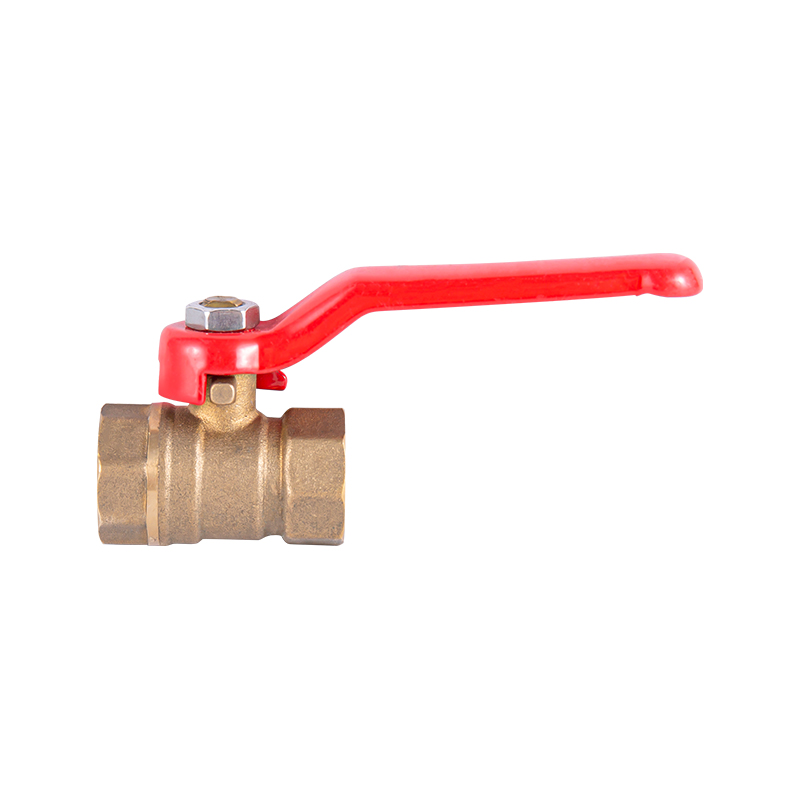
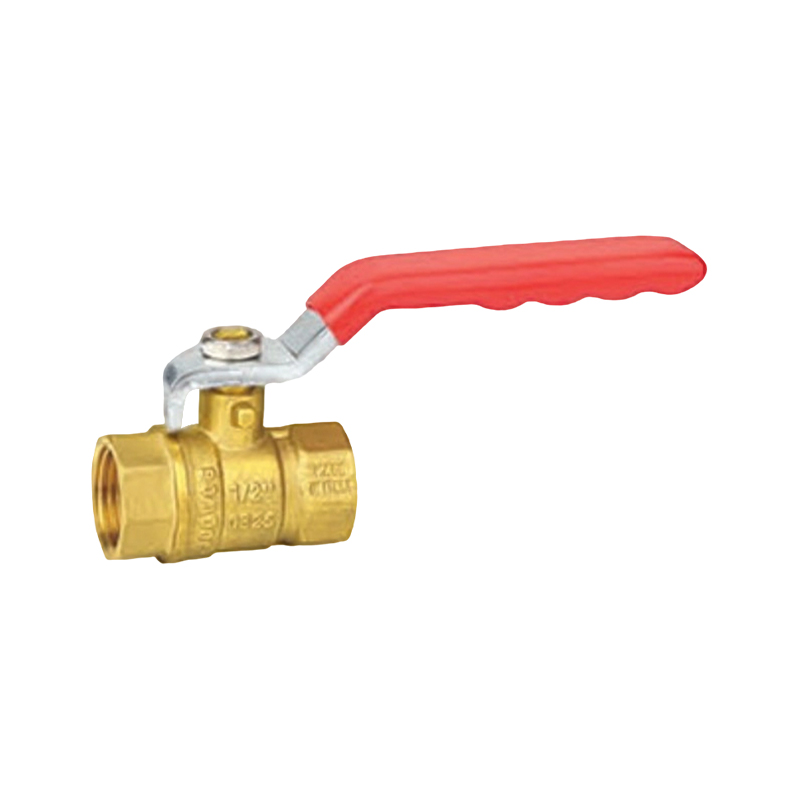
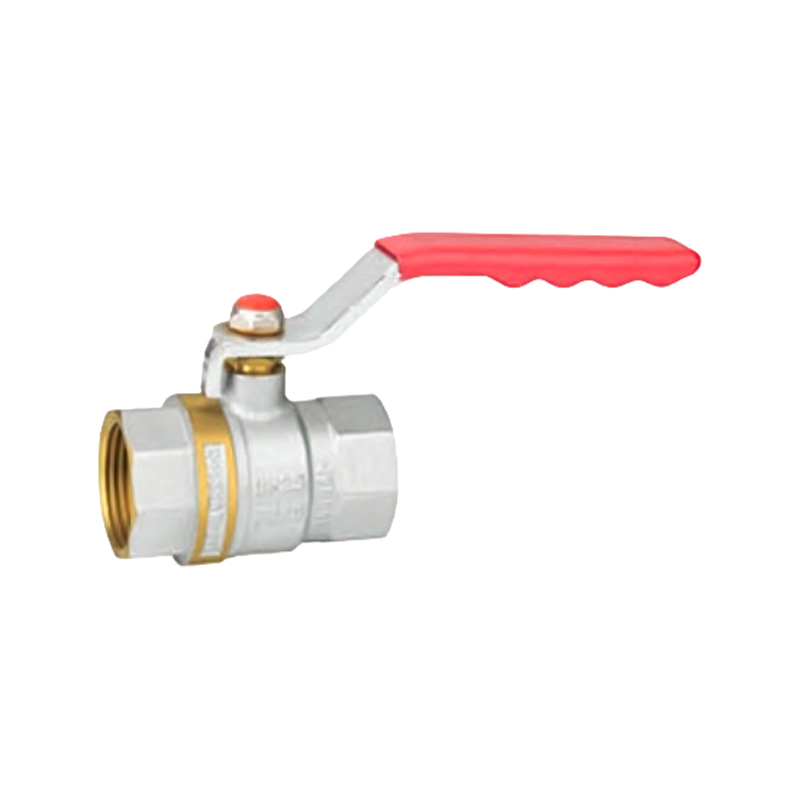
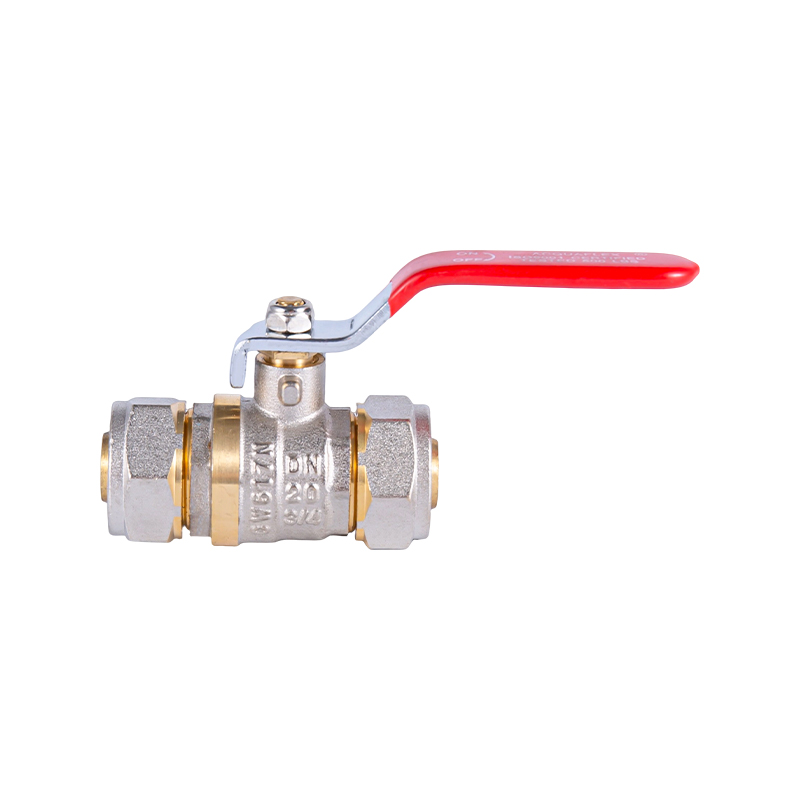
Yuhuan Xianyun Valve Co.,Ltd. is located in China valve capital" Zhejiang Donghai New city asea garden -Yuhuan, is a collection of design, pro-duction, sales of valves, plumbing sanitary waremodern brand enterprises

Contact Omformation
- Tel: 0086-13506861910
- E-mail: [email protected]
- Add: Qinggang Shuangtang Industrial Zone, Yuhuan City, Zhejiang Province, China.
Copyright © 2024 Yuhuan Xianyun Valve Co.,Ltd. All Rights Reserved.

Sale Plumbing Valves