

 English
 中文简体
中文简体 русский
 Email us now!
 Author: Admin Date: 2026-05-15
How Do Check Valves Improve System Efficiency and Reduce Maintenance Costs?
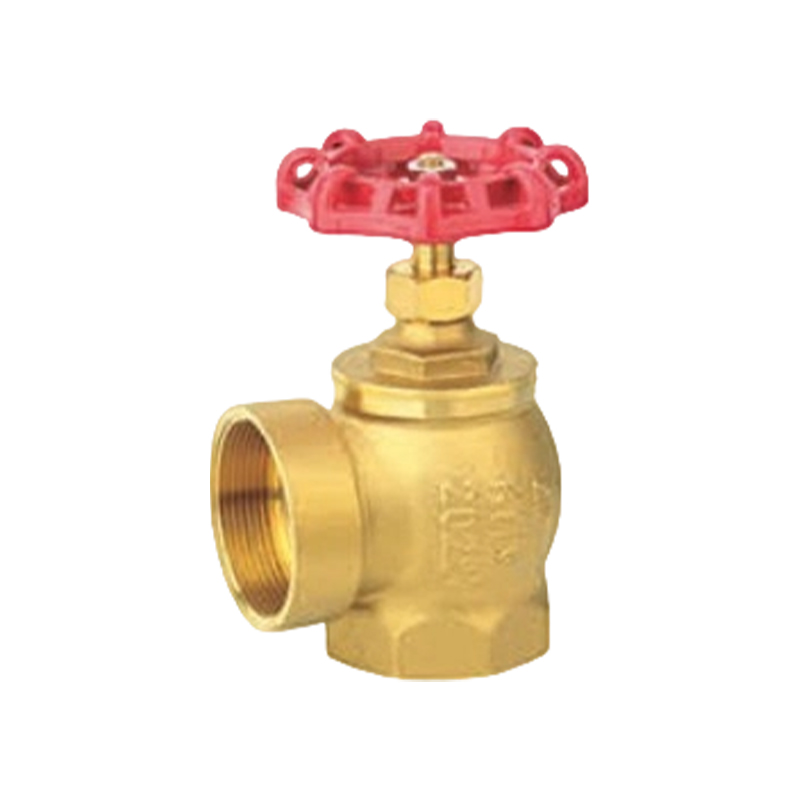
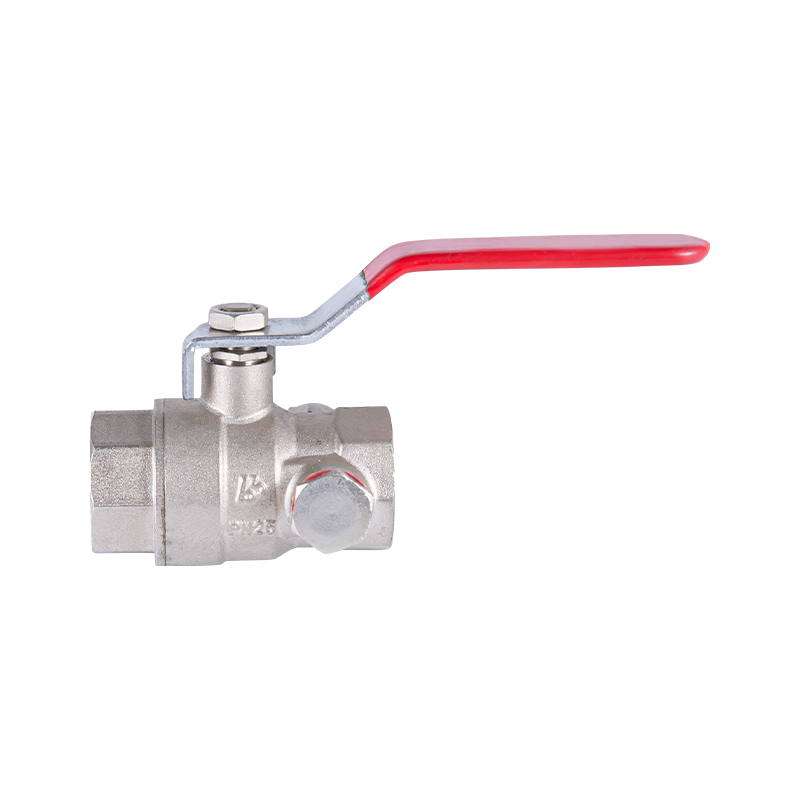
As industries push for leaner operations and lower lifecycle costs, attention is shifting toward components that quietly influence system efficiency. The Check Valve is one such component, ensuring one-way flow and preventing costly backflow issues. Meanwhile, the Check Valve with Screen is gaining popularity as a dual-function solution that combines flow control with debris filtration. For overseas buyers and engineers, these products are becoming practical tools for optimizing performance while reducing long-term maintenance.
Efficiency Starts with Stable Flow Control
In fluid systems, even minor backflow can advance to pressure fluctuations, energy loss, and equipment wear. A properly selected check valve helps maintain directional flow, ensuring pumps and pipelines operate within designed parameters.
Stable flow contributes to improved energy efficiency, especially in systems that run continuously. This is one reason why check valves are frequently discussed in energy-saving and system optimization topics across global industry forums.
Reducing Maintenance Through Integrated Filtration
A Check Valve with Screen offers a straightforward yet effective way to reduce maintenance needs. By capturing particles before they enter sensitive components, the integrated screen helps protect pumps, seals, and internal valve parts.
This design is particularly useful in systems where water quality is inconsistent or where debris may be present. Instead of installing separate filtration units, buyers can simplify system design while improving reliability.
Cost-Saving Benefits Over Time
While initial component cost is always a consideration, more buyers are focusing on total cost of ownership. Check valves contribute to cost savings in several ways:
- Preventing damage caused by reverse flow
- Reducing downtime due to system failures
- Minimizing maintenance frequency with built-in filtration
- Extending the lifespan of connected equipment
These factors make both valve types a cost-effective choice for long-term operations.
Engineering and Manufacturing Perspective
From a manufacturing standpoint, consistency and precision are critical. Yuhuan Xianyun Valve Co., Ltd., based in Zhejiang Province, integrates design, production, and sales to deliver a wide range of copper valve products.
With advanced production and testing equipment, the company supports the development of reliable check valves that meet diverse application requirements. Continuous improvement and attention to product quality allow manufacturers to respond to evolving market demands.
Application-Focused Design Considerations
Different systems require different valve configurations. When selecting a check valve, engineers often evaluate:
- Flow rate and pressure conditions
- Installation space and orientation
- Material compatibility with the medium
- Need for additional filtration
For systems with higher contamination risk, a Check Valve with Screen can provide added protection without increasing system complexity.
Where These Valves Make the Most Impact
Check valves are widely used in:
- Water supply and distribution systems
- HVAC circulation and heating systems
- Pump protection in industrial pipelines
- Agricultural irrigation systems
Their ability to maintain flow direction and protect equipment makes them essential in both simple and advanced setups.
Practical Installation and Maintenance Advice
To maximize performance and efficiency, consider the following:
- Always install according to flow direction markings
- Ensure pipelines are clean before installation
- Periodically inspect and clean the screen in filtered models
- Select appropriate materials for the operating environment
These steps help ensure consistent operation and reduce the likelihood of unexpected issues.
A Small Component with Big Impact
In modern fluid systems, efficiency and reliability often depend on well-designed supporting components.
By preventing reverse flow and reducing contamination risks, the Check Valve and Check Valve with Screen play a crucial role in lowering maintenance costs and improving overall system performance. For global buyers seeking practical, long-term solutions, these valves offer a smart balance of functionality and value.

-
Feedback
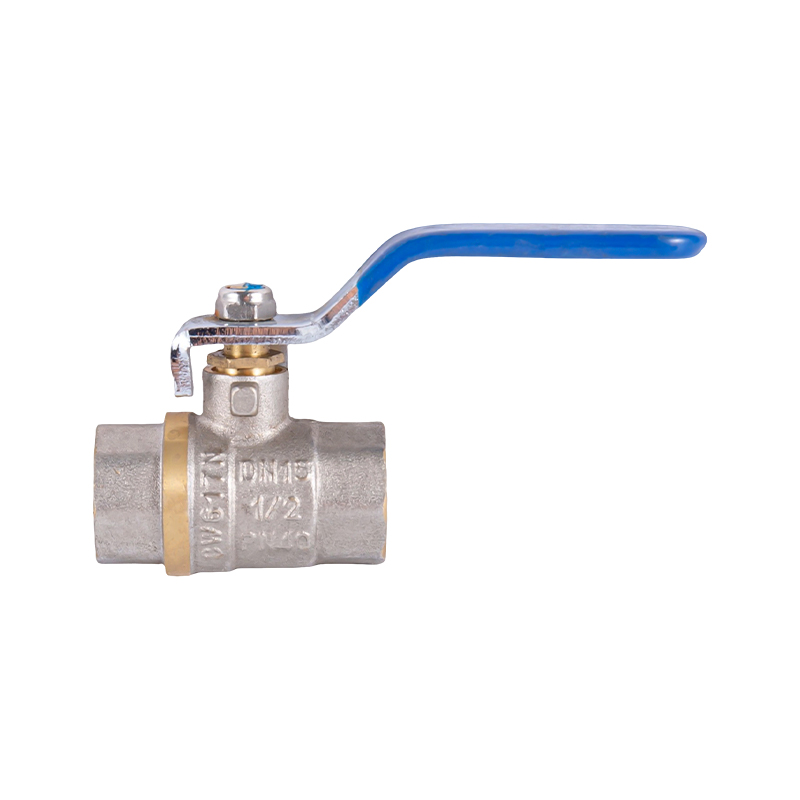
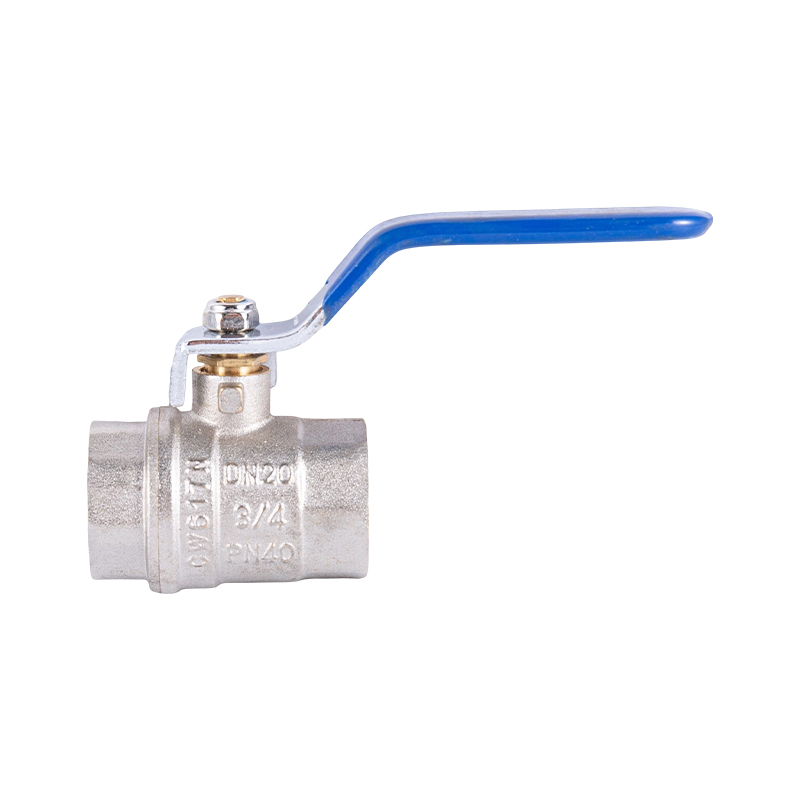
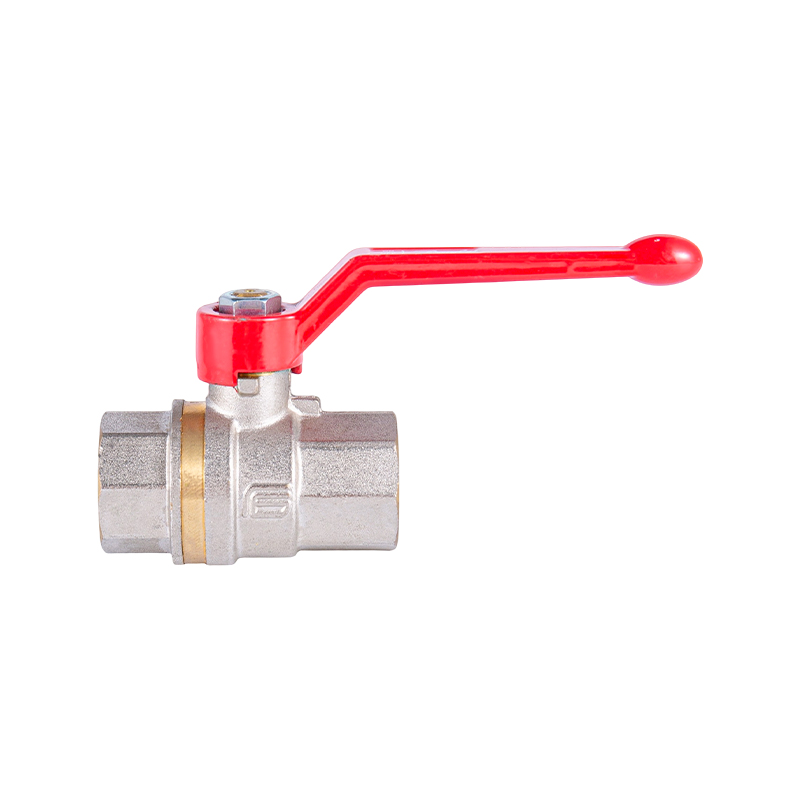
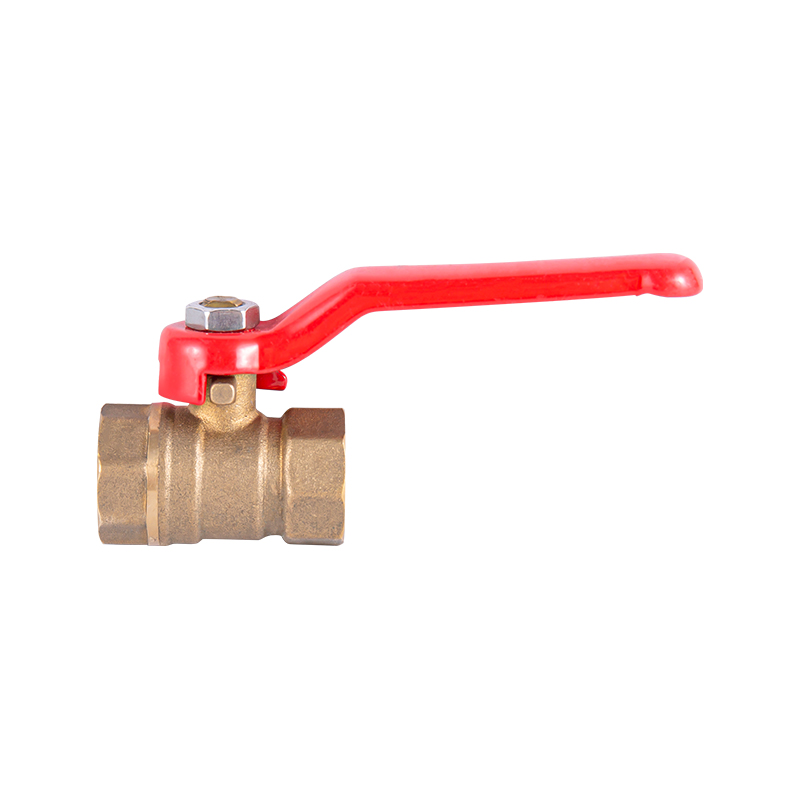
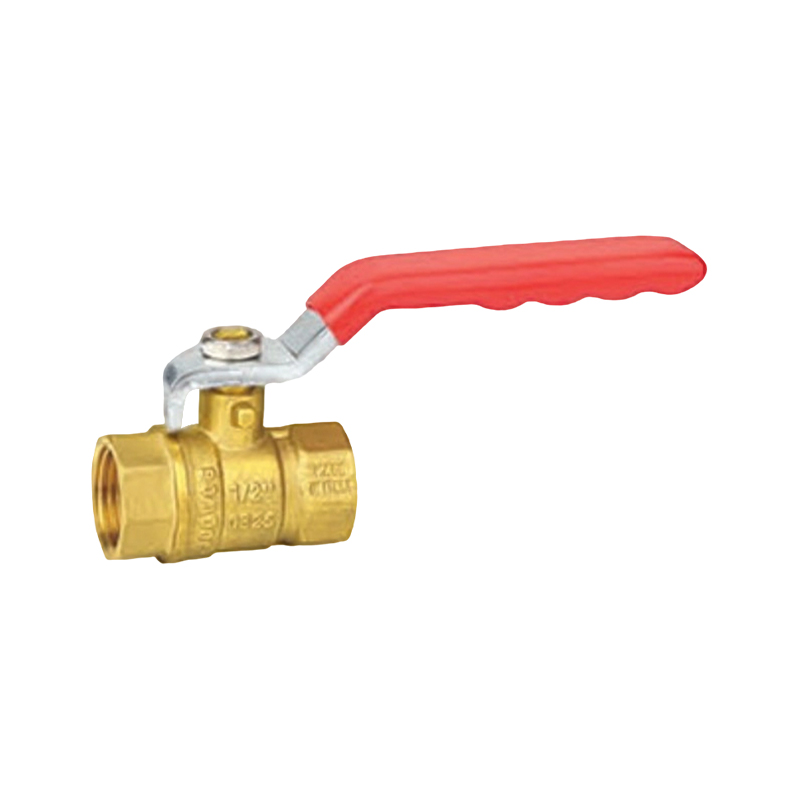
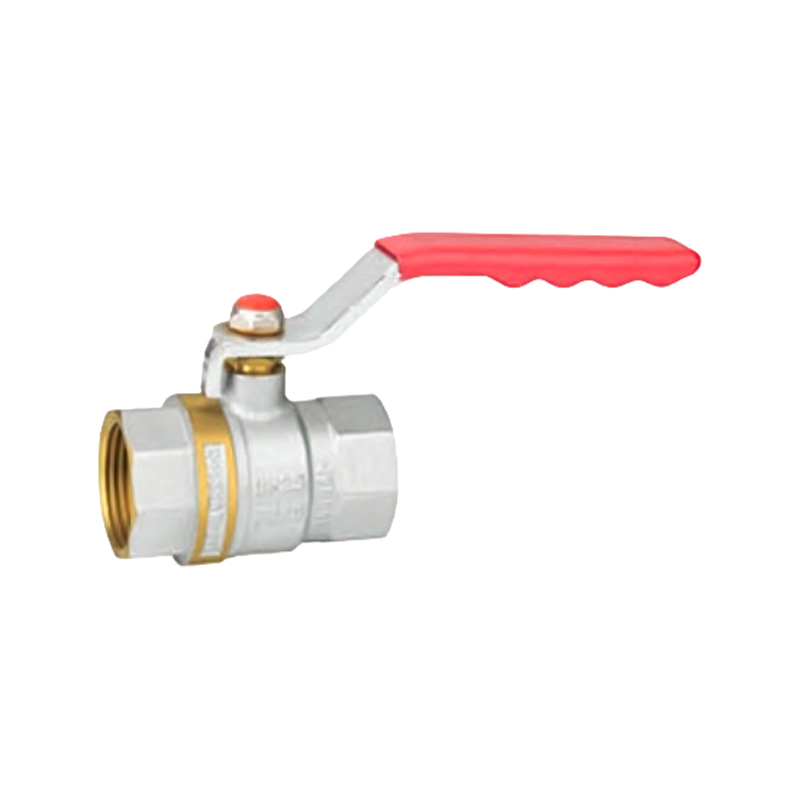
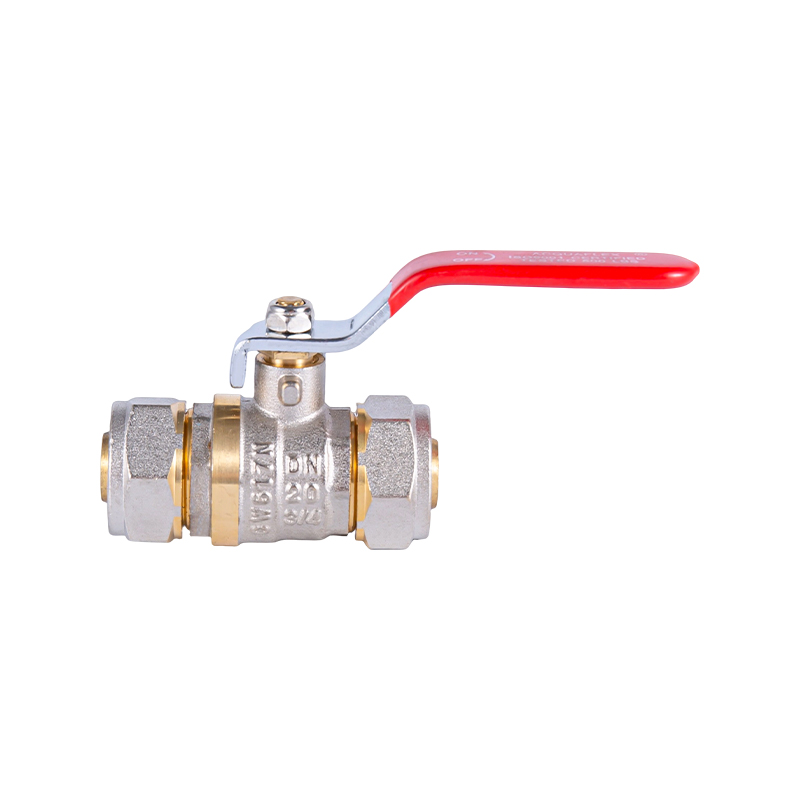
Yuhuan Xianyun Valve Co.,Ltd. is located in China valve capital" Zhejiang Donghai New city asea garden -Yuhuan, is a collection of design, pro-duction, sales of valves, plumbing sanitary waremodern brand enterprises

Contact Omformation
- Tel: 0086-13506861910
- E-mail: [email protected]
- Add: Qinggang Shuangtang Industrial Zone, Yuhuan City, Zhejiang Province, China.
Copyright © 2024 Yuhuan Xianyun Valve Co.,Ltd. All Rights Reserved.

Sale Plumbing Valves